

Nylon 6 (PA6) and Nylon 66 (PA66) are widely used engineering plastics for industrial wear parts, machined components and sheet applications. Although the two materials may be ordered in the same dimensions, they have important differences in colour, heat resistance, wear performance, load-bearing capability and material cost.
For buyers selecting nylon sheets for machinery components, the choice should be based on the actual operating conditions rather than dimensions alone. This guide explains the practical differences between PA6 and PA66 sheets and shows a real production case for a Colombia customer.
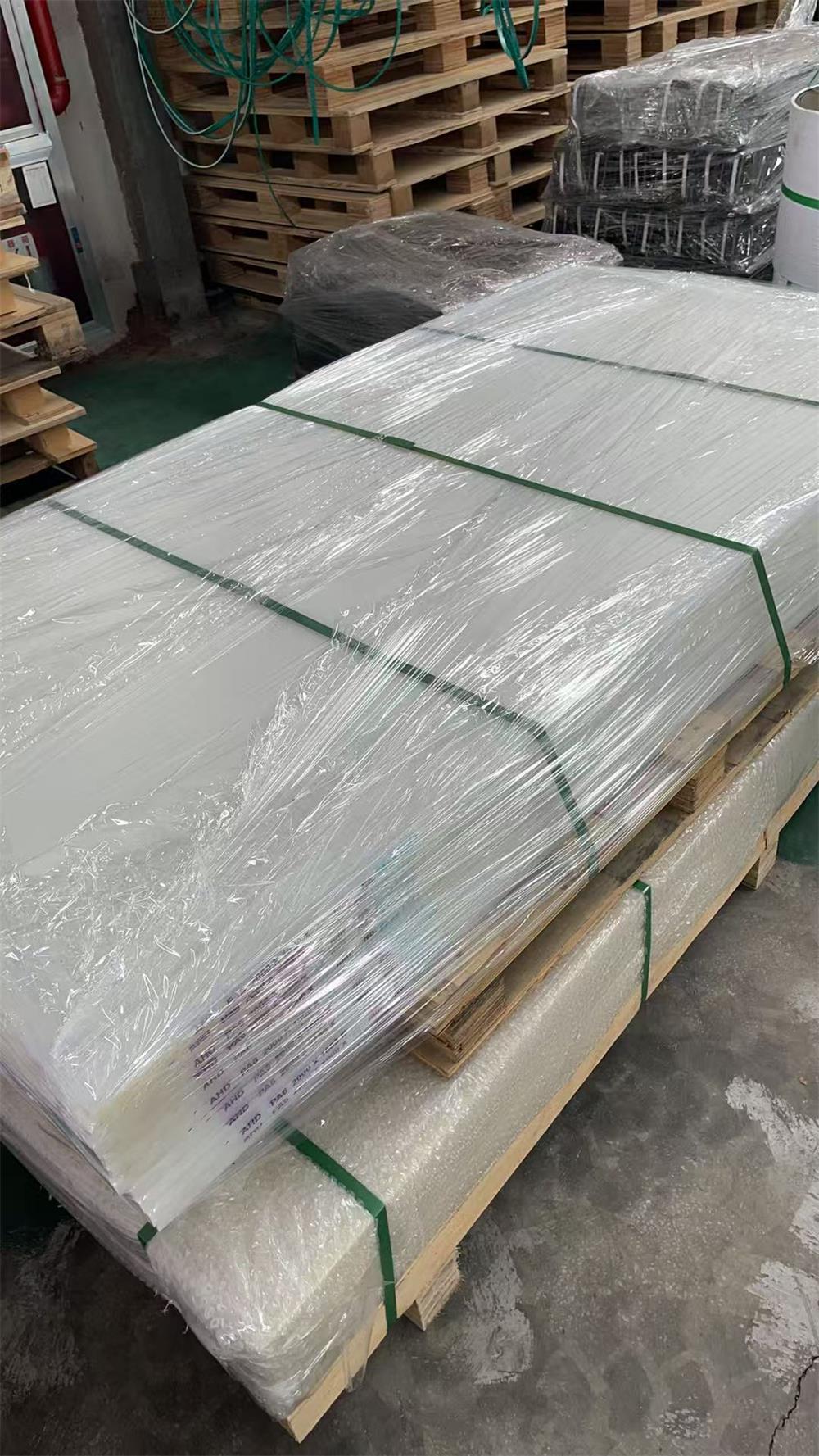
What Are Nylon 6 and Nylon 66 Sheets?
Nylon 6 and Nylon 66 are both polyamide engineering plastics. They are commonly selected for industrial components because they combine good mechanical strength with wear resistance and machinability.
They can be machined into liners, guides, wear strips, gears, rollers, bushings and other custom parts. For a broader introduction to nylon material performance and industrial uses, see our guide to nylon material properties and industrial applications.
Nylon 6 vs Nylon 66 Sheet: Quick Comparison
| Property | Nylon 6 / PA6 Sheet | Nylon 66 / PA66 Sheet |
|---|---|---|
| Natural colour in this order | White | Pale yellow |
| Heat resistance | Suitable for general industrial conditions | Higher heat resistance |
| Wear resistance | Good for normal wear applications | Higher wear resistance |
| Load-bearing performance | Suitable for general mechanical parts | Better suited to higher loads |
| Material cost | More economical | Significantly higher |
| Typical selection | General industrial use and standard wear parts | Higher-temperature, heavier-load or higher-wear applications |
Why Does Nylon 66 Cost More Than Nylon 6?
PA66 sheets are normally more expensive than PA6 sheets primarily because the PA66 raw material itself costs considerably more.
The price difference is not only related to custom dimensions or machining. Even when PA6 and PA66 sheets are made in the same size, PA66 has a higher material cost. This is why it is important to choose the material according to the working conditions instead of selecting PA66 only because it has higher performance.
For normal industrial applications where the temperature, load and wear level are moderate, PA6 is often a practical and economical choice. Where the part will operate under greater mechanical load, increased abrasion or higher temperatures, PA66 may provide better long-term performance.
Can PA6 and PA66 Sheets Be Identified by Colour?
In this production order, the PA6 sheets are white, while the PA66 sheets are pale yellow. This visible difference is useful when identifying the two materials in the warehouse or during installation.
However, colour should be treated as a practical reference rather than the only way to confirm a material grade. Material specifications should always be checked before machining or installation, especially when the finished part will operate under demanding conditions.
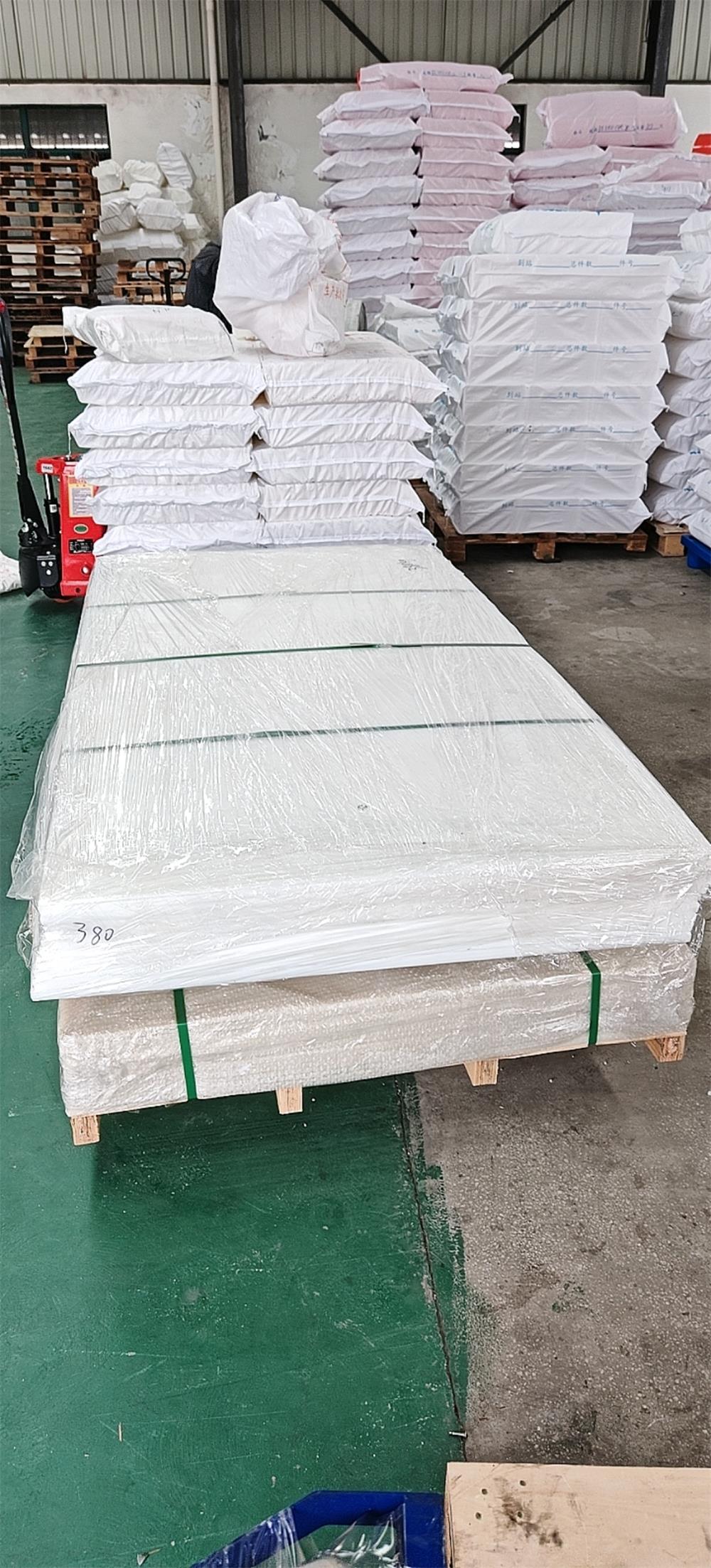
Real Project: Nylon 6 and Nylon 66 Sheets Manufactured for Colombia
For a Colombia customer, YT Conveyor manufactured both PA6 and PA66 sheets in the same dimensions: 2000 × 1000 × 15 mm.
The order included:
- 10 white Nylon 6 / PA6 sheets
- 10 pale yellow Nylon 66 / PA66 sheets
Using both materials in one order allowed the customer to select the appropriate nylon sheet according to the required performance and budget for different industrial parts.
See the complete production case: 20 Nylon 6 and Nylon 66 Sheets Manufactured for Colombia.
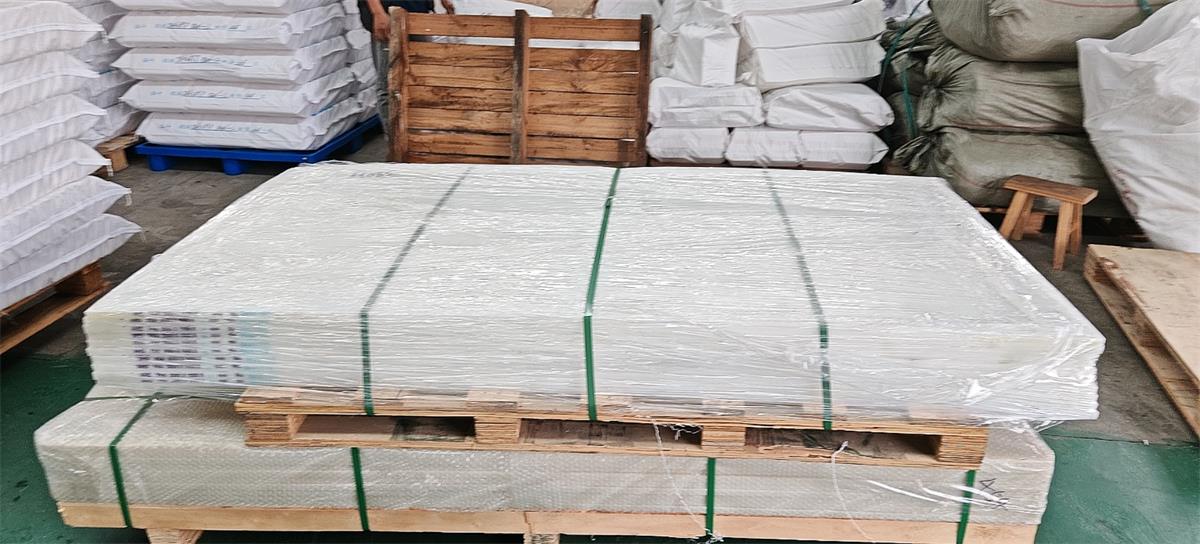
How to Choose Between PA6 and PA66 Nylon Sheets
When selecting Nylon 6 or Nylon 66 sheets, consider the following points:
- Working temperature
- Mechanical load on the finished part
- Expected abrasion and wear level
- Sheet dimensions and machining requirements
- Required quantity and material budget
PA6 is a suitable option for many general industrial wear parts and machined components. PA66 is more appropriate when improved heat resistance, wear resistance and load-bearing performance are required.
YT Conveyor manufactures engineering plastic products for industrial applications, including nylon sheets and custom-machined parts. You can also explore our range of engineering plastic products.
Send us your required material, dimensions, drawing or sample, application, working temperature, load conditions and quantity. Our team can help evaluate whether PA6 or PA66 is the more suitable material for your project.


