
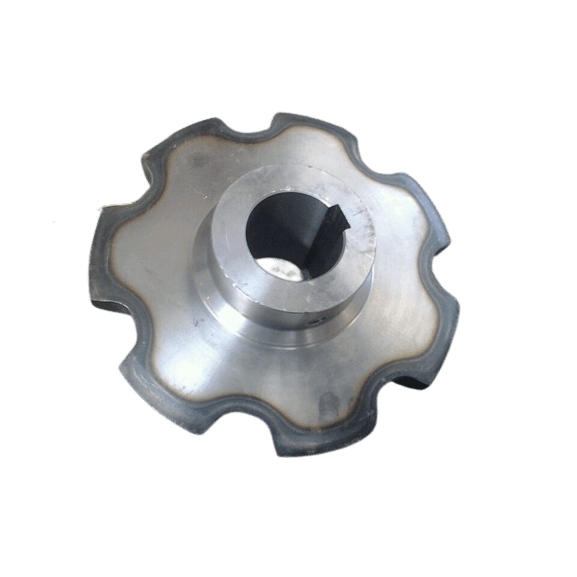
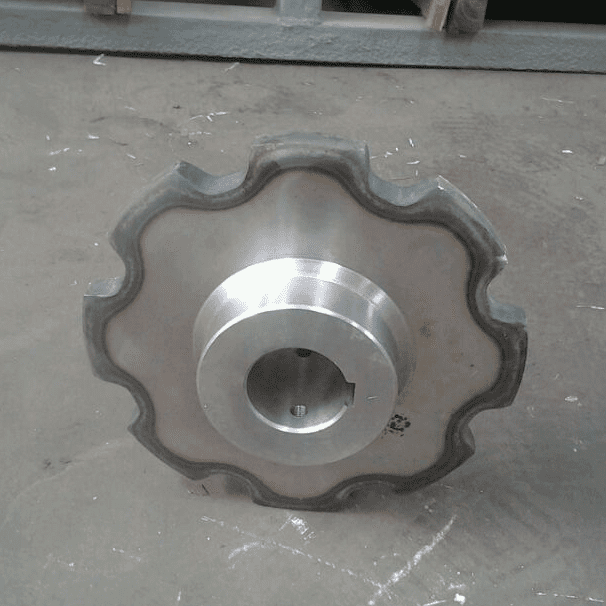
Product Overview
Our sprocket for conveyor roller chain is designed to ensure smooth power transmission and reliable operation in conveyor systems.
It works together with the conveyor chain to drive the system and maintain stable conveying performance.
👉 Related chain:
GLF & 81X Scraper Conveyor Chain, GLR Scraper Conveyor Chain
👉 Matching scraper flight:
BF Flat Drag Conveyor Flight, BR Arc Drag Conveyor Flight
Compatible Chain Types
This sprocket is suitable for multiple conveyor chain types:
- Roller chain: GLF & 81X Scraper Conveyor Chain, GLR Scraper Conveyor Chain
- Welded steel cranked link chain
- Forged chain
Proper matching between chain and sprocket is essential to ensure smooth engagement and reduce wear.
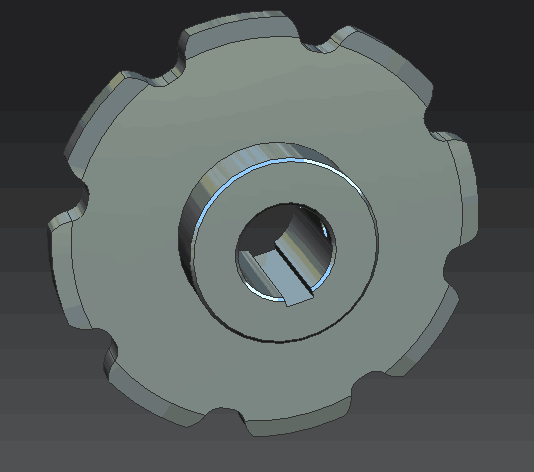
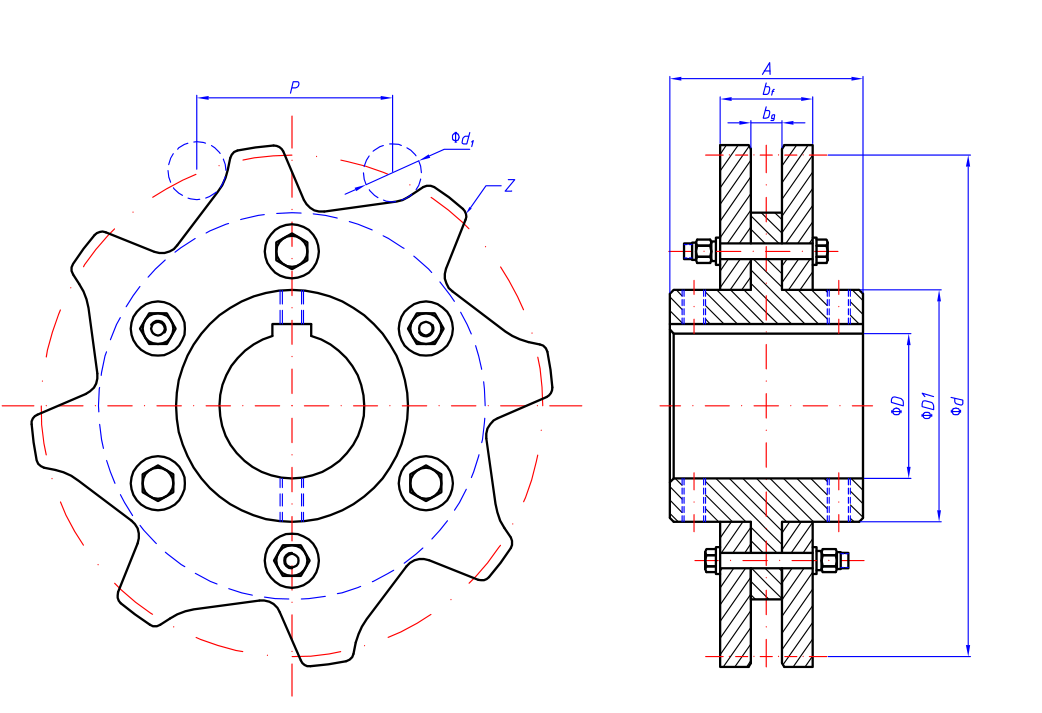
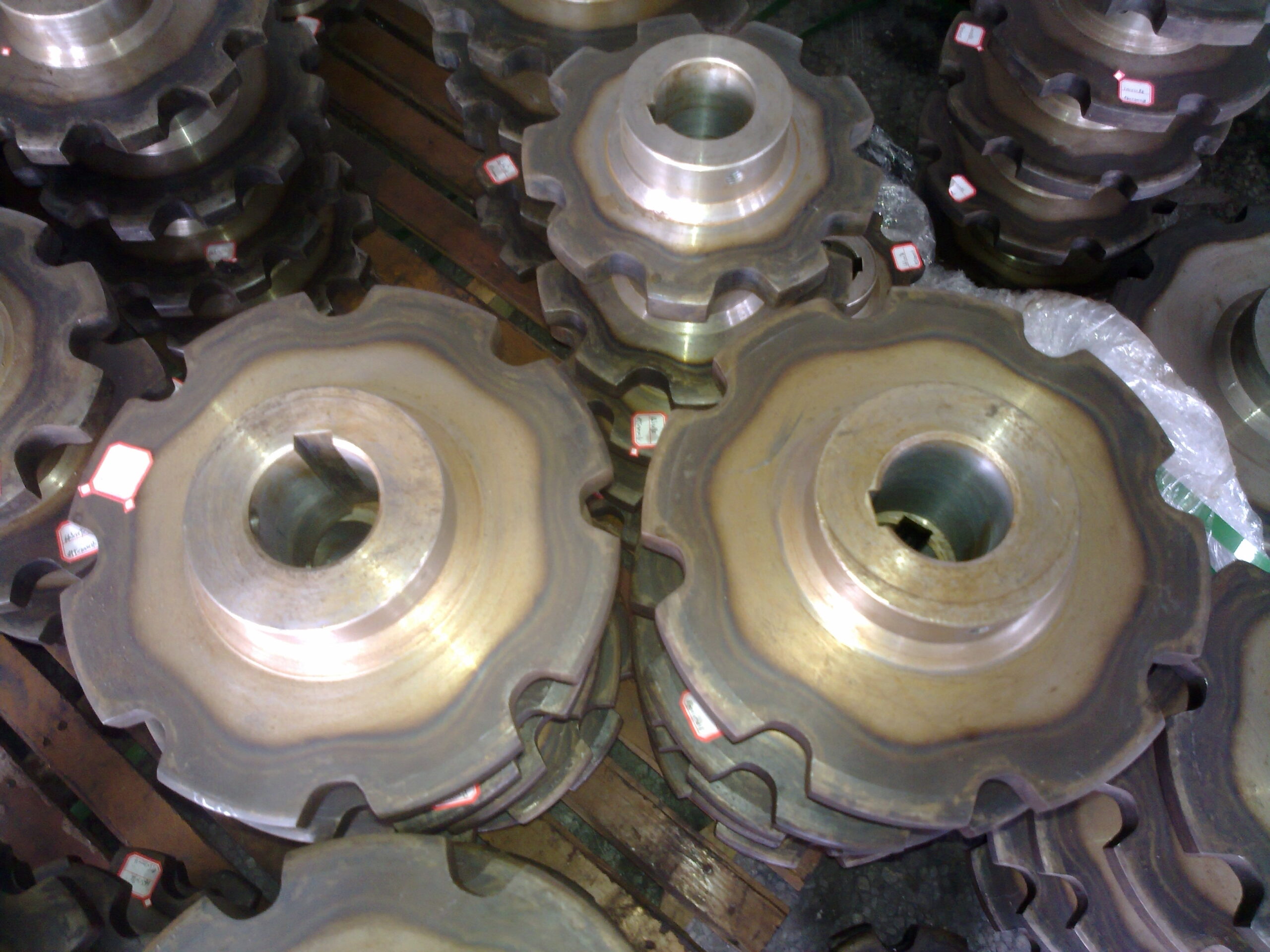
Roller Chain and Welded Steel Cranked Link Chain Sprocket
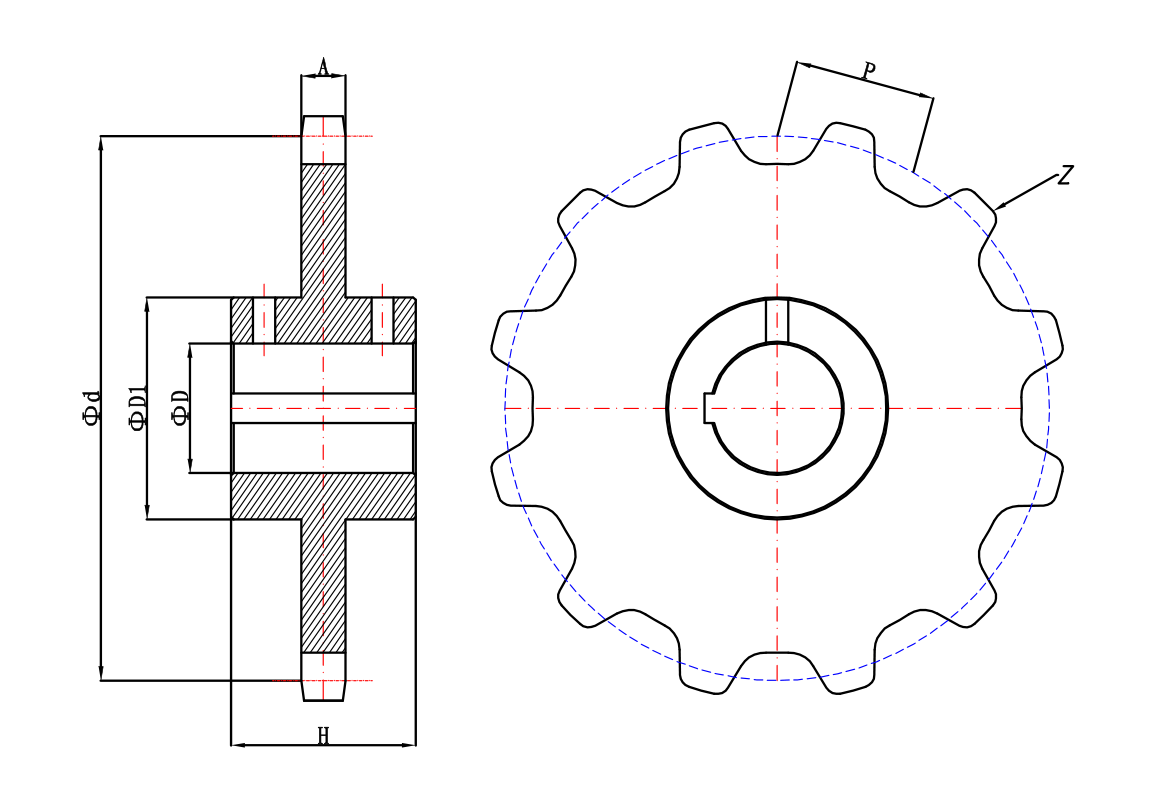
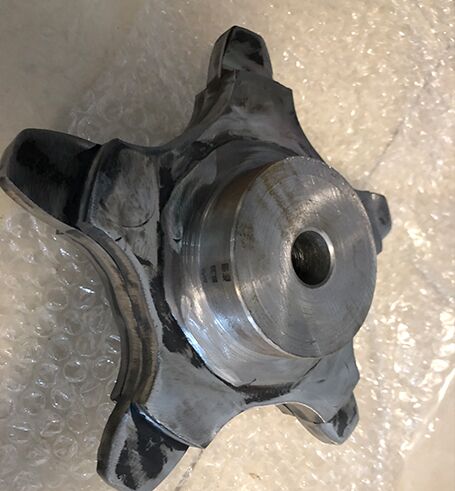
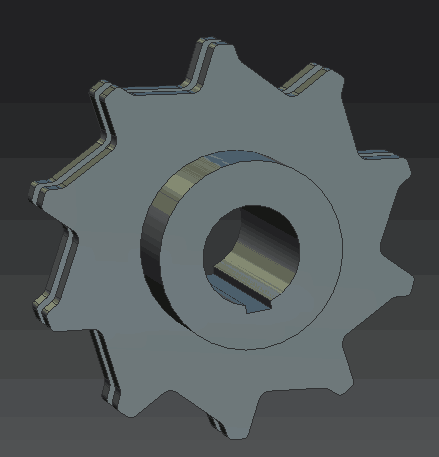
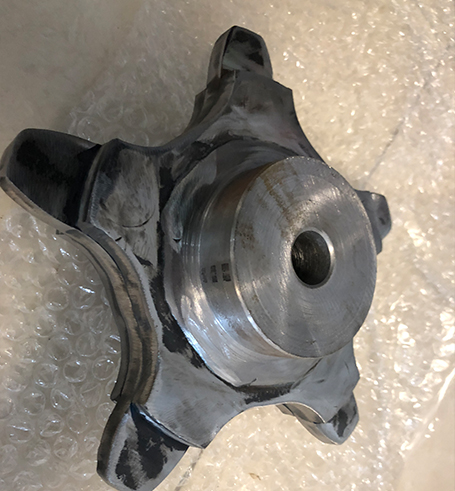
Drop Forged Chain Sprocket
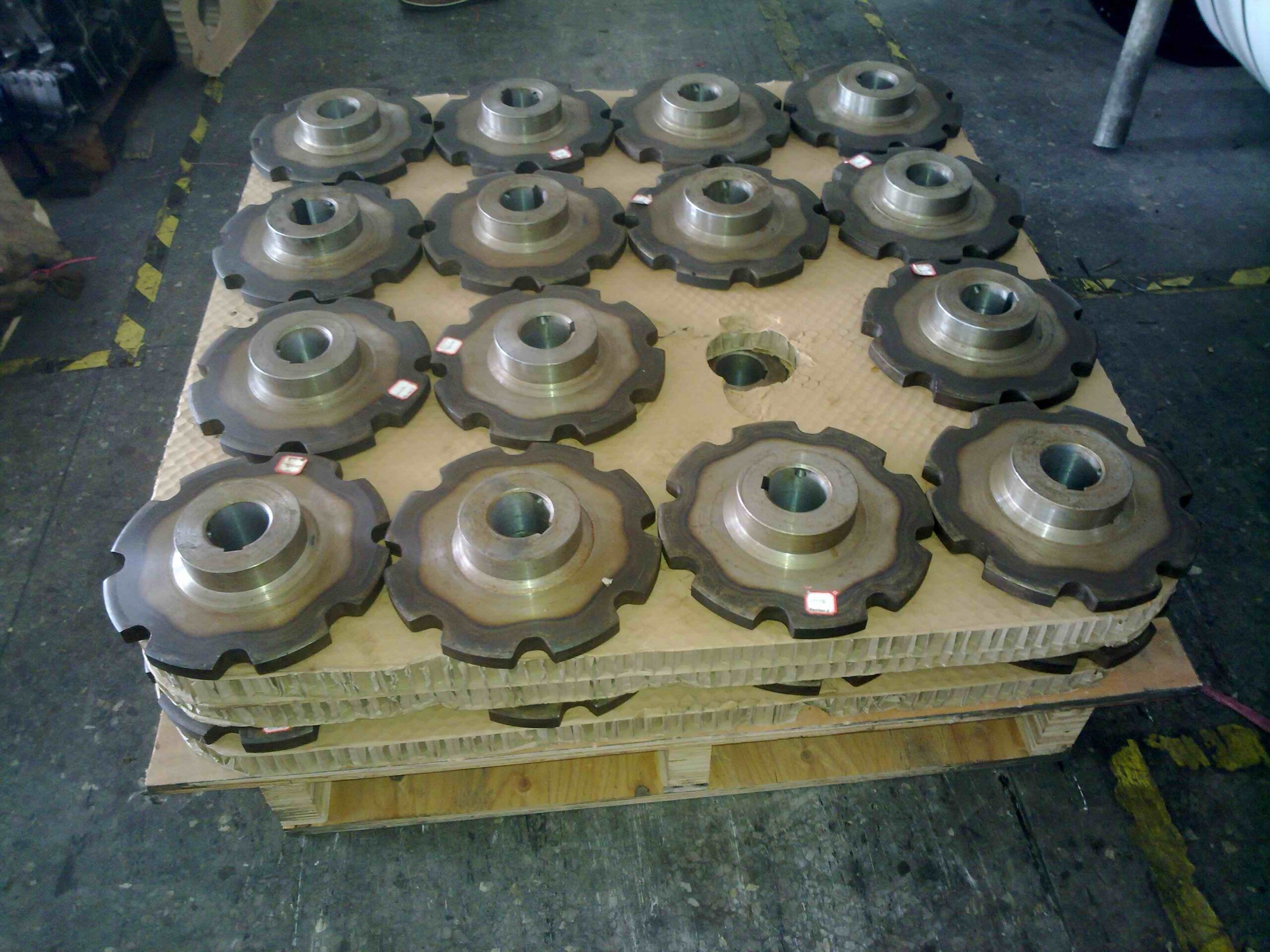
Pictures
Application
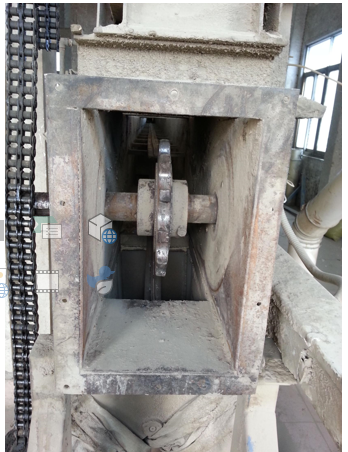
Our sprockets are widely used in:
- Scraper conveyor systems
- Grain handling equipment
- Feed processing plants
- Bulk material conveying systems
Performance Advantages
Our conveyor sprockets offer:
- Accurate tooth profile for smooth chain engagement
- Stable transmission performance
- Reduced wear on both chain and sprocket
- Improved system efficiency
- Long service life under continuous operation
A well-matched sprocket helps reduce maintenance frequency and improves overall conveyor reliability.
Customization Options
We provide customized sprockets based on your requirements:
- Number of teeth
- Pitch and dimensions
- Bore size and shaft type
- Hub design
- Material and heat treatment
Drawings can be provided upon request to ensure accurate matching with your conveyor system.
Importance of Matching Sprocket and Chain
In a scraper conveyor system, the sprocket must match the chain precisely.
Improper matching may cause:
- Increased wear
- Chain jumping or slipping
- Reduced service life
Selecting the correct sprocket together with the chain and scraper flight ensures optimal system performance.
How to Match Sprocket with Conveyor Chain
| Selection Factor | What to Check | Recommendation |
|---|---|---|
| Chain Type | GLF, 81X, 81XH, 81XHH | Sprocket must match the exact chain series |
| Chain Pitch | Chain pitch size | Sprocket pitch must be identical to chain pitch |
| Number of Teeth | Required speed and load | More teeth = smoother operation, fewer teeth = higher torque |
| Load Condition | Light / medium / heavy load | Use stronger material for heavy-duty applications |
| Working Environment | Dusty, abrasive, high temperature | Select wear-resistant material or heat treatment |
| Shaft Size | Shaft diameter and mounting type | Bore and keyway must match shaft precisely |
| Conveyor Type | Horizontal / scraper / en-masse | Ensure sprocket design fits conveyor structure |
Proper matching between sprocket and chain is essential to ensure smooth transmission, reduce wear, and extend service life.
Incorrect matching may lead to chain jumping, uneven wear, and reduced conveyor efficiency.
👉Not sure how to match the sprocket with your chain?
Send us your chain model or drawing, and we will recommend the most suitable sprocket design.
Common Matching Mistakes
- Using incorrect sprocket pitch for the chain
- Selecting too few teeth, causing higher wear
- Mismatch between sprocket and chain type
- Ignoring working environment conditions
Avoiding these issues can significantly improve system performance and reduce maintenance cost.
A complete scraper conveyor system includes chain, sprocket and scraper flights working together.
Sprocket Material & Heat Treatment Guide
| Material Type | Heat Treatment | Key Advantages | Recommended Application |
|---|---|---|---|
| Carbon Steel | Quenching / Tempering | Cost-effective, general strength | Light to medium-duty conveyors |
| Alloy Steel | Heat-treated | Higher strength and wear resistance | Medium to heavy-duty applications |
| Hardened Teeth Steel | Induction hardening | High surface hardness, longer wear life | Heavy load and continuous operation |
| Cast Steel | Optional hardening | Good toughness and durability | Large size sprockets |
| Stainless Steel | Solution treatment | Corrosion resistance | Food, chemical or humid environments |
The material and heat treatment of the sprocket directly affect its wear resistance, strength, and service life.
Selecting the appropriate combination ensures better performance, especially in heavy load or continuous operation conditions.
Why Heat Treatment Matters
Heat treatment improves the surface hardness of the sprocket teeth, allowing better resistance against wear caused by chain engagement.
A properly heat-treated sprocket can:
- Extend service life
- Reduce chain wear
- Improve transmission efficiency
- Lower maintenance cost
👉Not sure which material or heat treatment is suitable?
Send us your working condition or chain type, and we will recommend the most appropriate solution.
Complete System Recommendation
A scraper conveyor system mainly consists of chain, sprocket and scraper flights.
For best performance, we recommend selecting these components as a complete solution.
👉 Related chain:
GLF & 81X Scraper Conveyor Chain, GLR Scraper Conveyor Chain
👉 Matching scraper flight:
BF Flat Drag Conveyor Flight, BR Arc Drag Conveyor Flight
👉Not sure which sprocket is suitable for your conveyor system?
Send us your chain type or drawing, and we will recommend the most suitable sprocket solution.

