

What Is Polyester Conveyor Belt
Polyester conveyor belt is a heavy-duty conveyor belt designed for long-distance conveying of high-density materials.
It is widely used in industrial conveying systems where high strength, durability and stable performance are required. Compared with light-duty belts, polyester conveyor belts are more suitable for demanding working conditions.
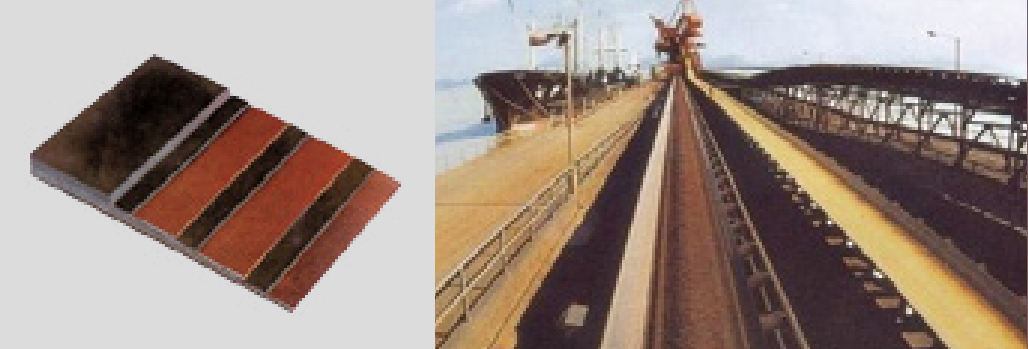
Key Features of Polyester Conveyor Belt
- The carcass is made of woven canvas with polyester in the warp and polyamide in the weft, providing a balanced structure for strength and flexibility
- Low elongation in the warp direction ensures stable performance during long-distance conveying
- Excellent trough ability in the weft direction for efficient material handling
- Good water resistance, maintaining strength even in wet working conditions without mould growth
- High tensile strength with excellent fatigue resistance for long service life
- Strong anti-impact and anti-tearing performance, suitable for heavy-duty applications
- Reliable operation under demanding conditions, including applications with drop heights over 1 meter
Applications of Polyester Conveyor Belt
Polyester conveyor belts are widely used for long-distance conveying of heavy-duty and high-density materials.
They are especially suitable for applications involving materials such as:
- Coal
- Ore
- Cement
- Other heavy bulk materials
Thanks to their strong anti-impact and anti-tearing performance, these belts can also be used in working conditions where material drop height exceeds 1 meter, ensuring reliable and stable operation.
They are commonly applied in:
- Mining industry
- Cement plants
- Ports and terminals
- Bulk material handling systems
Technical Standards and Compliance
The polyester conveyor belt is manufactured in accordance with international standards for rubber conveyor belts, including:
- CEMA (Conveyor Equipment Manufacturers Association)
- RMA (Rubber Manufacturers Association)
- AS (Australian Standards)
- GB (China National Standards)
These standards ensure consistent product quality, reliable performance and compatibility with different conveyor systems worldwide.
Technical Specifications of Polyester Canvas Conveyor Belt
| Item | Unit | Index Value | |
| Carcass Material | EP80-EP400 | ||
| No.of Plies | 2-6 | ||
| Tensile Strength | N/mm | 160-2400 | |
| Elongation @ 10% Tensile Strength | % | ≤2 | |
| Adhesion Strength |
Carcass Ply to Carcass Ply | N/mm | ≥4.5 |
| Cover to Carcass Ply | N/mm | ≥3.5 | |
| Width | mm | 300-1800 | |
| Length | m | ≤250 | |
Cover Rubber Properties of Polyester Conveyor Belt
The following table shows the typical cover rubber properties:
| Type | Tensile Strength | Elongation @ Break | Abrasion Loss |
| Mpa | % | mm³ | |
| Normal Condition | ≥15.0 | ≥350 | ≤200 |
| Heavy Abrasive Condition | ≥18.0 | ≥400 | ≤100 |
| Heavy Tearing Condition | ≥24.0 | ≥450 | ≤120 |
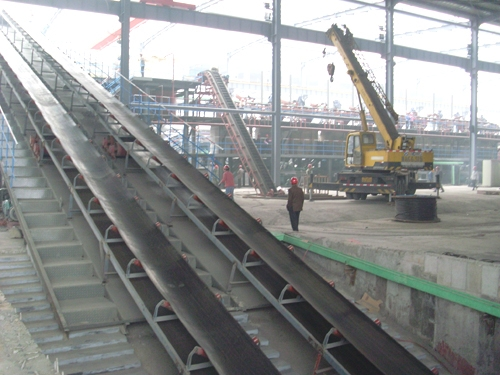
Advantages for Long-Distance Conveying
Thanks to its high strength and durable structure, polyester conveyor belt performs well in long-distance conveying systems.
It maintains stable operation even under continuous heavy loads, reducing the risk of belt damage and improving overall system efficiency.
Performance Under Impact and Drop Conditions
Polyester conveyor belt has strong resistance to impact and repeated loading.
It is particularly suitable for applications where materials are dropped from a height of over one meter, ensuring reliable operation without tearing or structural damage.
Custom Conveyor Belt Selection Based on Your Application
If you are not sure which conveyor belt specification is suitable for your system, feel free to share your application details with us.
Based on your conveying conditions, material characteristics and working environment, we can recommend the most suitable polyester conveyor belt solution to ensure reliable and efficient operation.
For additional belt and bulk material handling products, explore our grain conveyor components, including conveyor belts, elevator components, cleaning parts, level sensors, and other related accessories.
Get the Right Conveyor Belt for Your Application
If you are not sure which conveyor belt is suitable for your system, feel free to send us your requirements.
Based on your material type, conveying distance and working conditions, we can recommend the most suitable polyester conveyor belt solution for your application.
Send us your details today and get a quick recommendation.


