

Bucket elevators are widely used in grain storage, feed mills, flour mills, rice processing plants, seed plants, ports, and other bulk material handling systems. A bucket elevator looks simple from the outside, but it depends on several key components working together: buckets, belts, bolts, pulleys, lagging material, and related replacement parts.
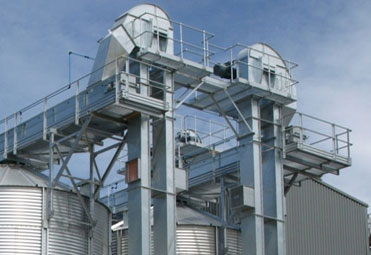
When one component wears, loosens, or does not match the system correctly, the elevator may lose capacity, damage materials, run with noise, or stop unexpectedly. Understanding the main bucket elevator components helps maintenance teams choose the right spare parts and reduce downtime.
At YT Conveyor, we manufacture and supply bucket elevator components for grain, feed, seed, and industrial bulk material handling applications.
Main Bucket Elevator Components
Elevator Buckets
Elevator buckets are the main carrying parts of a bucket elevator. They lift grain, feed, rice, flour, seed, fertilizer, or other bulk materials from the boot section to the discharge point.
Common bucket materials include plastic, HDPE, nylon, carbon steel, and stainless steel. Plastic elevator buckets are widely used for grain and feed handling because they are lightweight, cost-effective, and help reduce material damage. Steel buckets are often used for higher temperature, abrasive material, or heavy-duty applications.
You can view our full range of elevator buckets including plastic and steel bucket models.

Elevator Bolts
Elevator bolts are used to fix buckets onto the elevator belt. Although they are small parts, they are very important for safe and stable operation.
If bolts are loose, worn, or mismatched, buckets may shake, crack, or fall off during operation. This can damage the belt, casing, and other components.
Common options include ordinary elevator bolts and fanged elevator bolts. Fanged bolts help prevent rotation during installation and are often used when a stronger fastening effect is needed.


Elevator Belt
The elevator belt is the traction part that carries the buckets around the head pulley and tail pulley. It must have enough tensile strength, good flexibility, and suitable cover material for the working condition.
When choosing an elevator belt, check the belt width, ply, tensile strength, cover thickness, material, and edge type. For grain and feed applications, PVC and rubber elevator belts are commonly used.
The belt should match the bucket size, bucket spacing, elevator height, material weight, and operating speed.
Head Pulley and Tail Pulley
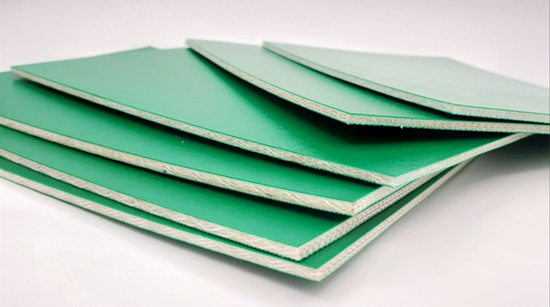
Pulleys guide and drive the elevator belt. The head pulley is normally installed at the top of the elevator and drives the belt. The tail pulley is installed at the bottom and helps guide the return side.
A worn or poorly aligned pulley can cause belt deviation, vibration, noise, or uneven bucket movement. For more details, you can check our page about elevator pulleys.
Pulley Lagging Material
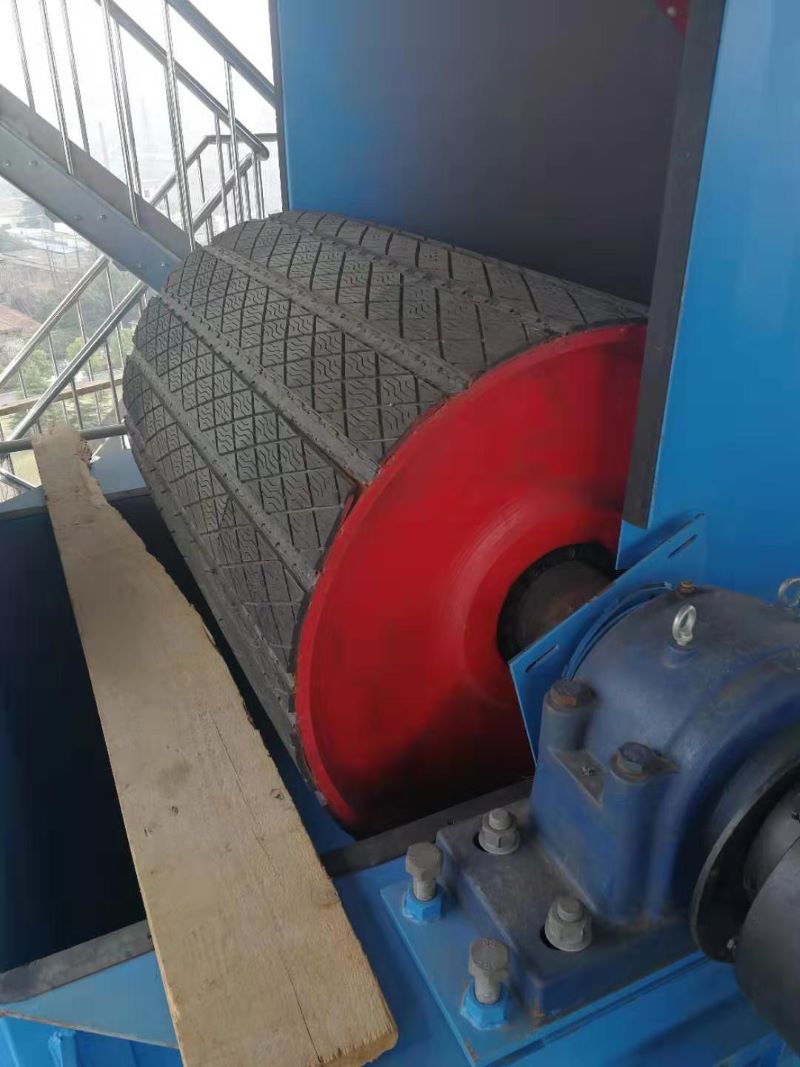
Lagging material is used on the pulley surface to increase friction between the pulley and the elevator belt. It helps reduce belt slipping and improves drive performance.
If the lagging is worn or damaged, the belt may slip, especially under heavy load or humid working conditions. Regular inspection of pulley lagging is useful for long-term operation.
Belt Fasteners and Connecting Parts
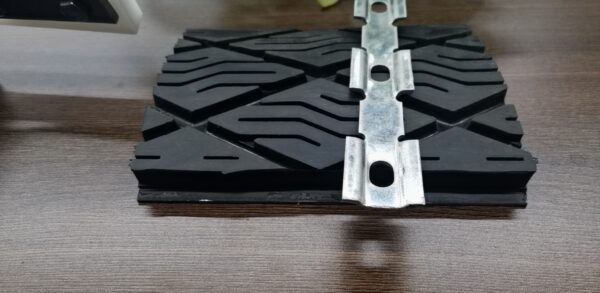
Belt fasteners are used to connect the two ends of the elevator belt. They should be selected according to belt thickness, tensile strength, pulley size, and working load.
Other connecting parts, such as nuts, washers, and fixing accessories, should also be checked during maintenance. Small parts can cause big problems if they loosen during operation.
Common Bucket Elevator Replacement Problems
Bucket Wear or Cracking
Buckets may wear, crack, or deform after long-term operation. This is more common when handling abrasive materials, high-temperature materials, or materials with impact.
When replacing buckets, check the bucket model, dimensions, hole distance, material, and discharge style. Do not choose only by appearance; hole position and bucket depth are also important.
Loose or Missing Bolts
Loose bolts may cause bucket vibration and belt damage. During maintenance, check whether the bolts, nuts, and washers are still tight and whether the holes on the bucket or belt have become enlarged.
If many bolts are loose, it may also indicate vibration, incorrect installation, or poor matching between bucket, belt, and bolts.
Belt Deviation or Slipping
Belt deviation can be caused by pulley misalignment, uneven tension, wrong loading position, or damaged buckets. Belt slipping may be related to insufficient tension, worn lagging, overload, or humid conditions.
In this case, both the belt and pulleys should be inspected together.
Reduced Conveying Capacity
If the bucket elevator capacity becomes lower, possible causes include worn buckets, wrong bucket spacing, belt speed problems, material blockage, poor discharge, or unsuitable bucket type.
Sometimes replacing only one component is not enough. The whole bucket elevator system should be checked.
How to Choose the Right Replacement Parts
Before ordering bucket elevator spare parts, it is helpful to confirm:
- Bucket model and dimensions
- Bucket material
- Hole distance and hole diameter
- Belt width and belt thickness
- Bolt size and bolt type
- Pulley diameter and shaft size
- Working material and temperature
- Required quantity
- Photos or drawings of the existing parts
If you are not sure about the model, clear photos with dimensions can help us identify the correct replacement parts.
YT Conveyor Bucket Elevator Component Supply
YT Conveyor supplies bucket elevator components for grain, feed, seed, rice, flour, and bulk material handling systems. Our product range includes elevator buckets, elevator bolts, elevator belts, pulleys, lagging material, belt fasteners, and related replacement parts.
You can visit our bucket elevator components solution page for the main product range, or view our elevator bucket component projects to see real supply cases.
For one complete project example, you can also check our project for elevator bucket, bolt and belt.
If you need replacement parts for an existing bucket elevator, send us your photos, drawings, dimensions, or old sample information. We can help check the suitable bucket, bolt, belt, pulley, and related parts for your system.
FAQ
What are the main components of a bucket elevator?
The main components include elevator buckets, elevator belt, elevator bolts, head pulley, tail pulley, pulley lagging, belt fasteners, and related connecting parts.
When should elevator buckets be replaced?
Elevator buckets should be replaced when they are cracked, worn, deformed, loose, or no longer suitable for the material being handled.
How do I choose the right elevator bolt?
The bolt should match the bucket hole, belt thickness, working load, and installation requirement. Fanged elevator bolts are often used when anti-rotation fastening is needed.
What causes bucket elevator belt slipping?
Common causes include worn pulley lagging, insufficient belt tension, overload, humid working conditions, or pulley misalignment.
Can YT Conveyor help match replacement parts from photos?
Yes. You can send photos, drawings, dimensions, or old samples. We can help check the suitable bucket elevator components for replacement.


