
What Is Lagging Material for Head Pulley?
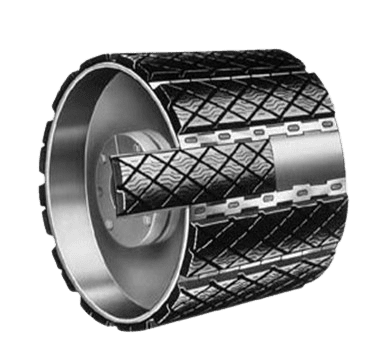
Lagging material is applied to the surface of the elevator head pulley to increase friction between the pulley and the belt, improving traction and reducing slippage during operation.
It is an essential component for bucket elevator systems, especially in grain, feed, and bulk material handling.
👉 Related product: Head Drum Pulley for Bucket Elevator
Key Features of Our Lagging Material
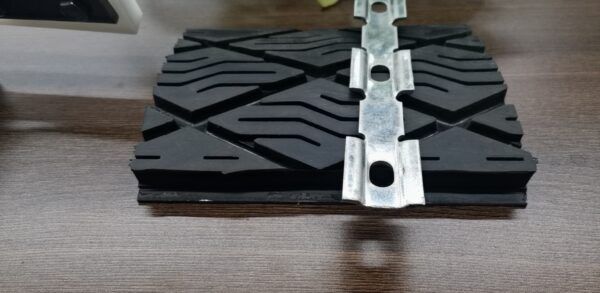
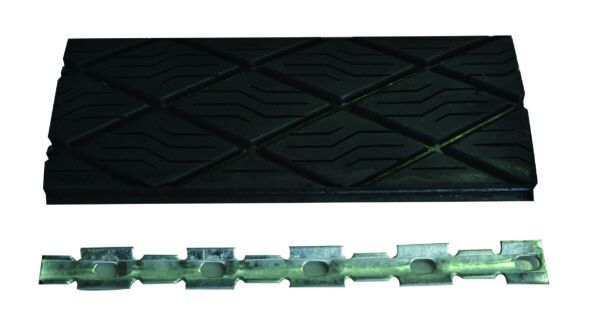
- Replaceable design for fast maintenance
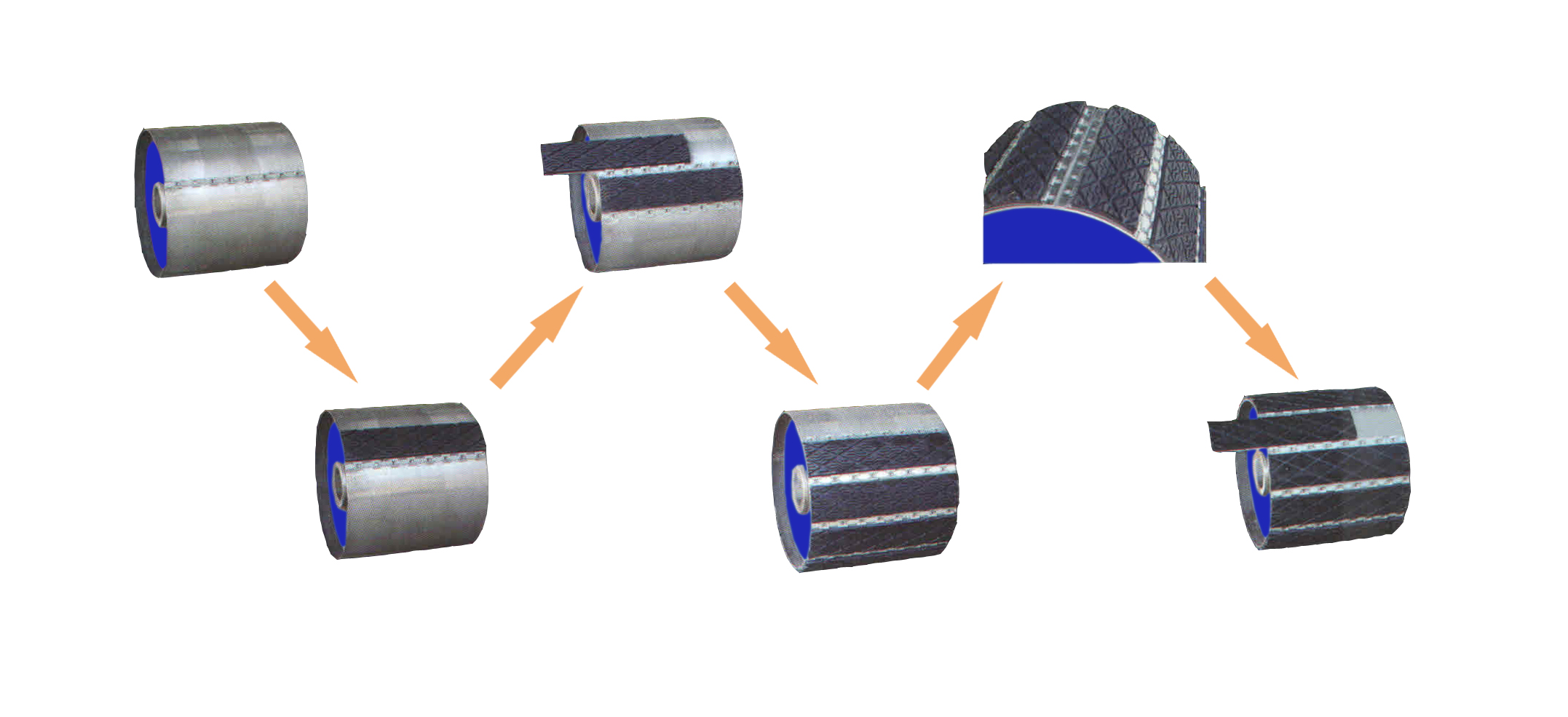
Reduce the pulley replacement frequency, and enable fast repair without removing the head pulley. Simply pull out the old insert board and replace it with a new one. - Save maintenance time and cost
No need to disassemble the head pulley, which significantly reduces maintenance working time and lowers overall operating cost. - High elasticity and wear-resistant material
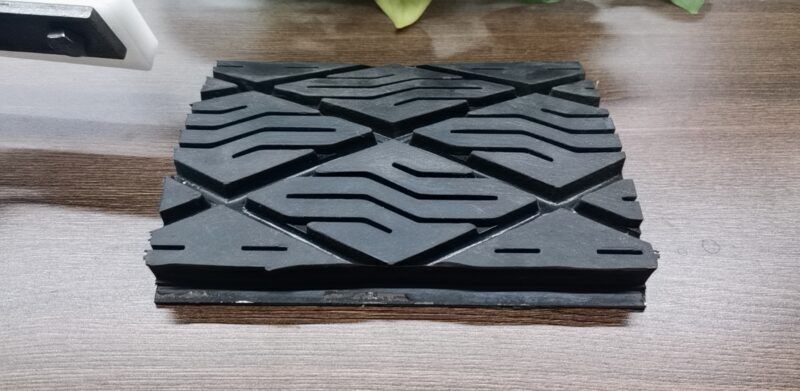
The lagging material adopts high elasticity and wear-resistant compounds, providing strong anti-abrasion performance under continuous operation. - Anti-slip surface structure
The special groove structure on the surface increases the friction coefficient between the elevator belt and the head pulley. - Improved driving performance
The head pulley achieves higher traction force with the belt, effectively avoiding belt slipping and improving system stability. - Extended service life
It can significantly reduce the head pulley maintenance and replacement frequency, saving labor time and production cost.
Why Use Lagging on Head Pulley?
In bucket elevator systems, the head pulley is responsible for driving the belt. Without proper lagging, slipping can easily occur, especially under load or in dusty environments.
Using lagging material can:
- Increase friction between belt and pulley
- Prevent belt slipping
- Protect pulley surface from wear
- Improve operational efficiency
- Extend both pulley and belt service life
👉 For complete solution, see: Head Drum Pulley with Lagging
Replaceable Lagging Solution (Core Advantage)
Compared with traditional bonded lagging, our replaceable lagging system provides a more efficient maintenance solution.
- No need to remove the head pulley
- No need for complex bonding process
- Quick replacement on site
- Reduced downtime
This makes it especially suitable for continuous production environments where downtime must be minimized.
Specification
| Item | Length (mm) | Width (mm) | Thickness (mm) | Rubber cover shore | Wear Resistant ≤mm³ |
| General Type | 1830 | 135 | 15 | 70±5 | 100 |
| Circular Arc Type | Customized | 135 | middle 18 side 14.5 |
Lagging Installation Methods for Head Pulley
Applications
Our lagging material is widely used in:
- Bucket elevators
- Grain handling systems
- Feed processing plants
- Bulk material conveying systems
- Dusty or high-wear environments
How to Choose the Right Lagging
The selection of lagging material depends on:
- Material type (grain, feed, powder, etc.)
- Working conditions (dust, moisture, abrasion)
- Load and operating speed
If you are not sure which type to choose, we can recommend a suitable solution based on your application.
Combined Solution Recommendation
For best performance, we recommend supplying the lagging material together with the head drum pulley as a complete system.
This ensures:
- Perfect matching between pulley and lagging
- Better traction performance
- Reduced installation issues
For complete bucket elevator system matching, the lagging material can be selected together with our bucket elevator components, including head pulleys, elevator belts, buckets, bolts, belt fasteners, and other compatible accessories.
👉Looking for a reliable lagging solution for your elevator head pulley?
Send us your application details or pulley dimensions, and we will recommend the most suitable option.


