We recently completed a small trial order for a new customer in Serbia. The customer required one single-phase industrial vibration motor for initial testing before deciding whether to purchase additional units.
The confirmed electrical specification was single-phase, 220/230V and 50Hz. After confirming the customer’s requirements, we prepared the motor, completed the necessary inspection and packed it securely in one carton.
The customer arranged the international transportation through its own freight forwarder. We delivered the carton to the receiving location designated by the customer, after which the freight forwarder arranged the air shipment.
This project shows that customers can begin with one test unit when they need to evaluate installation suitability and actual vibration performance before placing a larger order.
More information about this product is available on our industrial vibration motor page.
Customer Requirements for the Vibration Motor
The customer contacted us regarding an industrial vibrator and initially required only one unit for testing.
The confirmed order information was:
- Product: Industrial vibration motor
- Quantity: 1 unit
- Power supply: Single-phase
- Rated voltage: 220/230V
- Frequency: 50Hz
- Customer location: Serbia
- Order purpose: Initial product testing
- Packaging: 1 carton
- Gross weight: 7 kg
- Shipping arrangement: Customer-appointed freight forwarder
- Delivery method: Delivered to the customer’s designated receiving location
Before an industrial motor is prepared, it is important to confirm the electrical supply available at the customer’s site. The phase, voltage and frequency must be compatible with the local power supply and the intended equipment.
For this project, the customer clearly confirmed the required single-phase 220/230V, 50Hz configuration.
Industrial vibrators are also part of our grain conveyor and bulk material handling components range.
Why the Customer Ordered One Unit for Testing
For a new application, ordering one vibration motor for initial testing can be a practical first step.
Even after the electrical specification has been confirmed, the customer may still need to evaluate the motor on the actual equipment. A physical test can help verify:
- Whether the motor is suitable for the intended installation
- Whether the available mounting area is sufficient
- Whether the vibration effect meets the application requirement
- Whether the motor can improve material flow or discharge
- Whether the vibration level is suitable for the equipment
- Whether the electrical connection matches the local control system
- Whether any adjustment is required before a repeat order
Starting with one unit can reduce the risk of purchasing multiple motors before the actual installation and operating conditions have been evaluated.
It also allows the customer’s technical and maintenance teams to collect practical feedback before confirming a larger quantity.
Typical Applications of Industrial Vibration Motors
An industrial vibration motor generates vibration through rotating eccentric weights. When installed on suitable equipment, this vibration can help improve the movement and discharge of powders, granules and other bulk materials.
Typical applications include:
- Storage silos
- Grain hoppers
- Feed bins
- Material chutes
- Dosing equipment
- Small vibrating tables
- Material discharge equipment
- Screening equipment
- Bulk material handling machinery
- Conveyor discharge points
In silo and hopper applications, vibration may help loosen material accumulated near the outlet. It can also help reduce problems such as bridging, arching, adhesion and irregular discharge.
However, the model should not be selected only according to voltage. Equipment size, installation position, material characteristics and the required vibration force should also be considered.
Customers can review the available specifications and applications of our vibration motors for silos, hoppers and material handling equipment.
You can also browse our vibrator motors category for related industrial vibration motor options and applications.
Importance of Confirming Voltage, Phase and Frequency
Voltage and frequency may differ between countries, factories and individual machines. Therefore, the required electrical specification should always be confirmed before placing an order.
For this Serbian project, the customer required:
- Single-phase power supply
- 220/230V voltage
- 50Hz frequency
These details were important because a motor manufactured for a different voltage, frequency or phase configuration might not be suitable for direct connection to the customer’s equipment.
When requesting a vibration motor quotation, customers should provide:
- Single-phase or three-phase
- Required voltage
- Required frequency
- Intended application
- Installation position
- Required vibration force, if known
- Equipment dimensions
- Material being handled
- Working environment
- Required quantity
If an existing vibrator needs to be replaced, a clear photograph of the motor nameplate and the main dimensions can also help us compare the available model.
Product Inspection Before Packaging
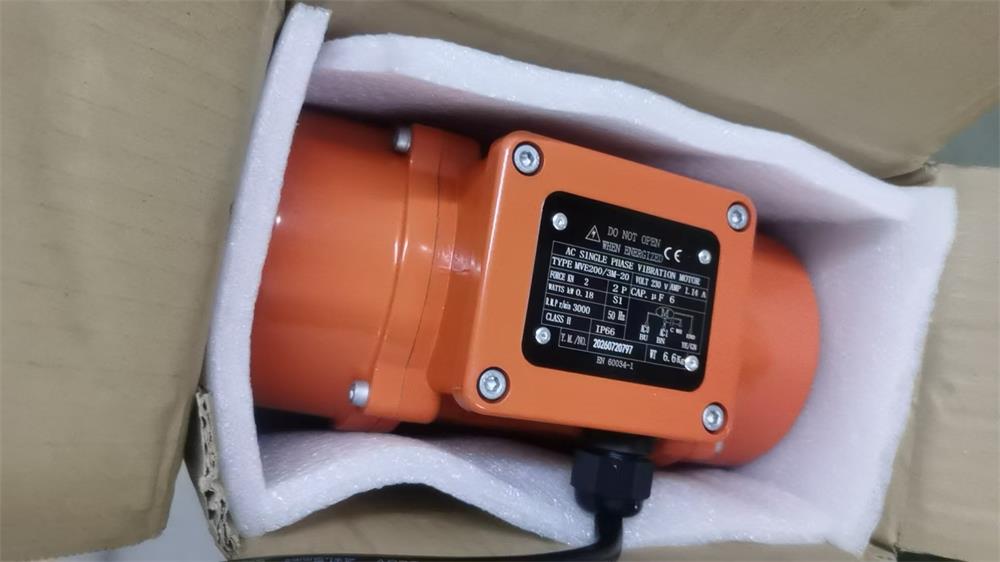
Before packing the test unit, we checked the vibration motor to confirm that it matched the agreed order requirements.
The inspection included:
- Checking the product model
- Confirming the voltage and frequency
- Inspecting the external condition
- Checking the motor housing
- Checking the mounting structure
- Confirming the quantity
- Inspecting the product identification
- Checking the carton before dispatch
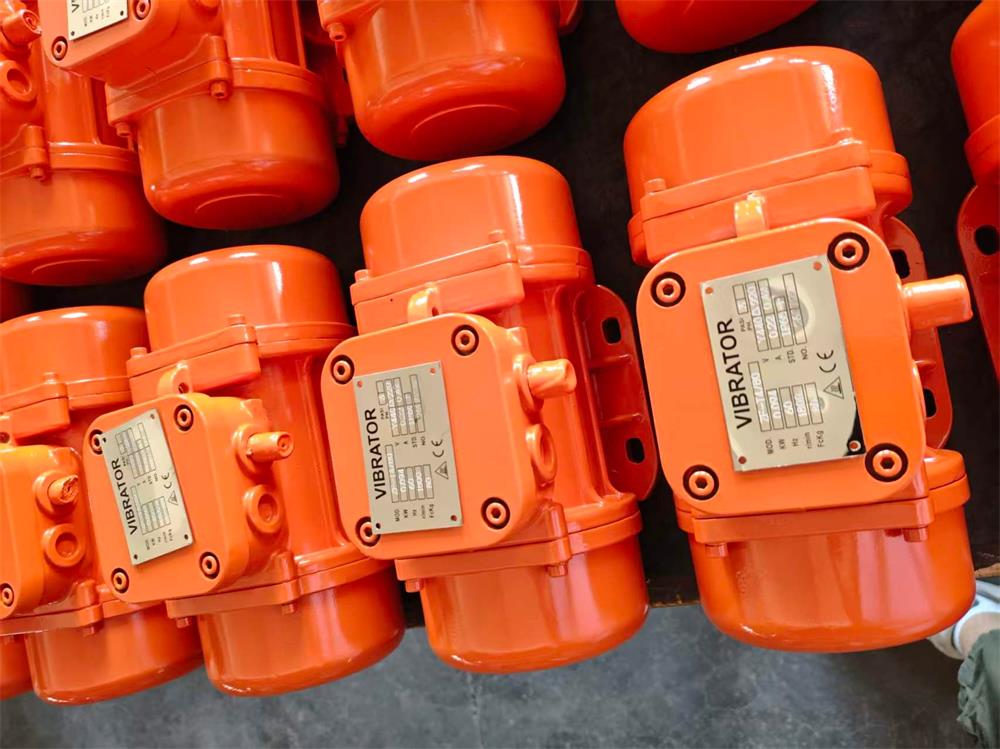
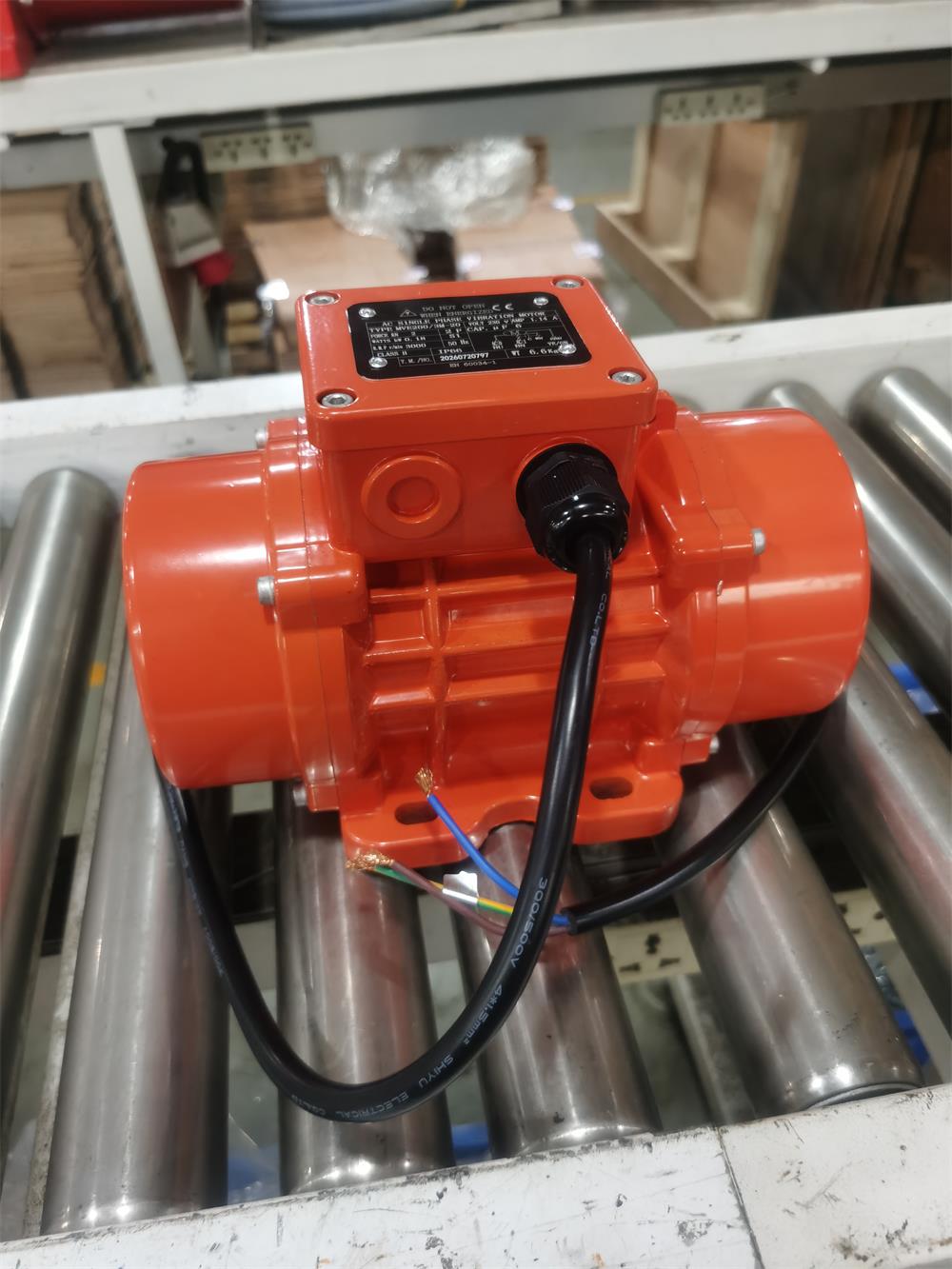
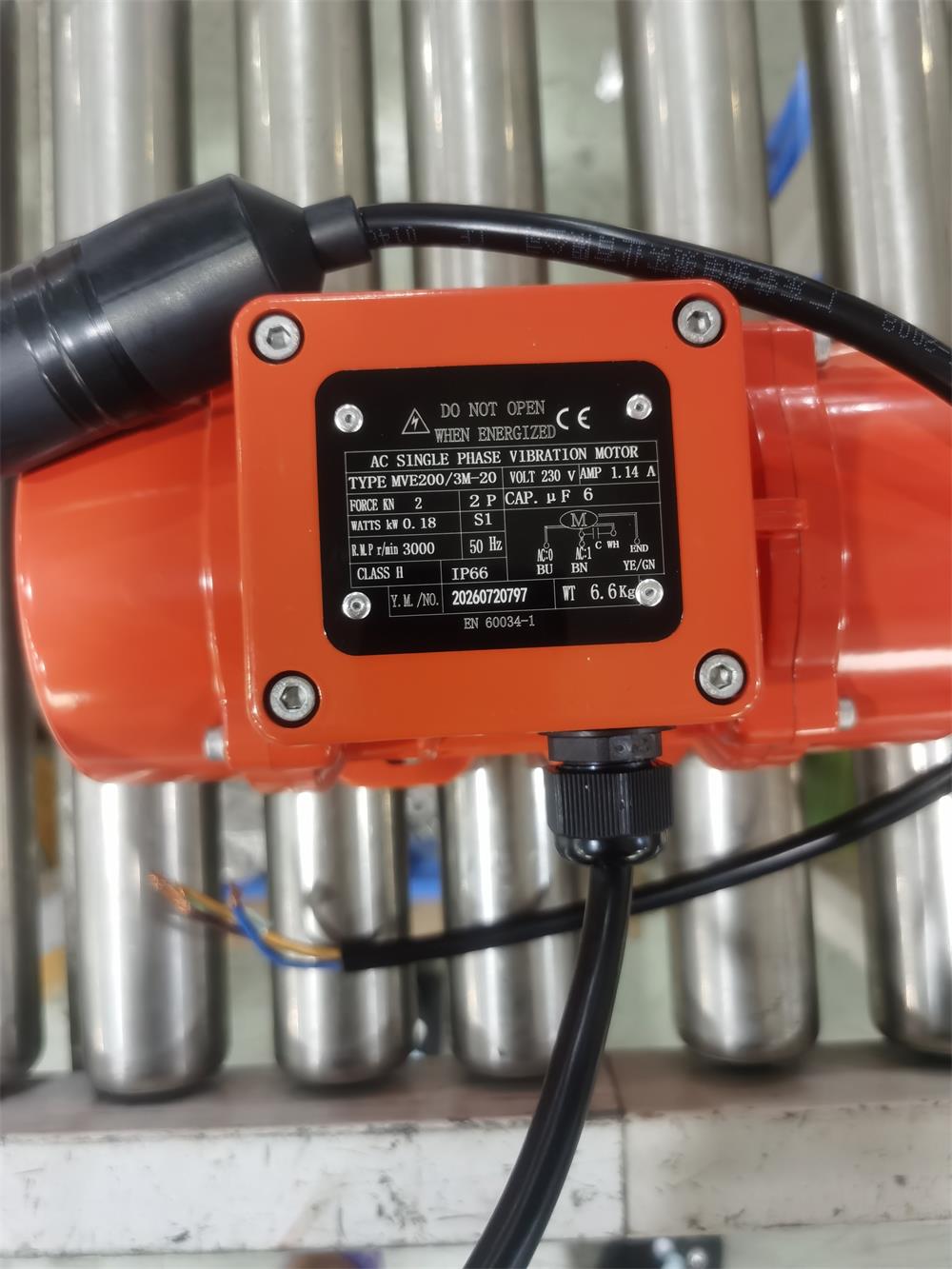
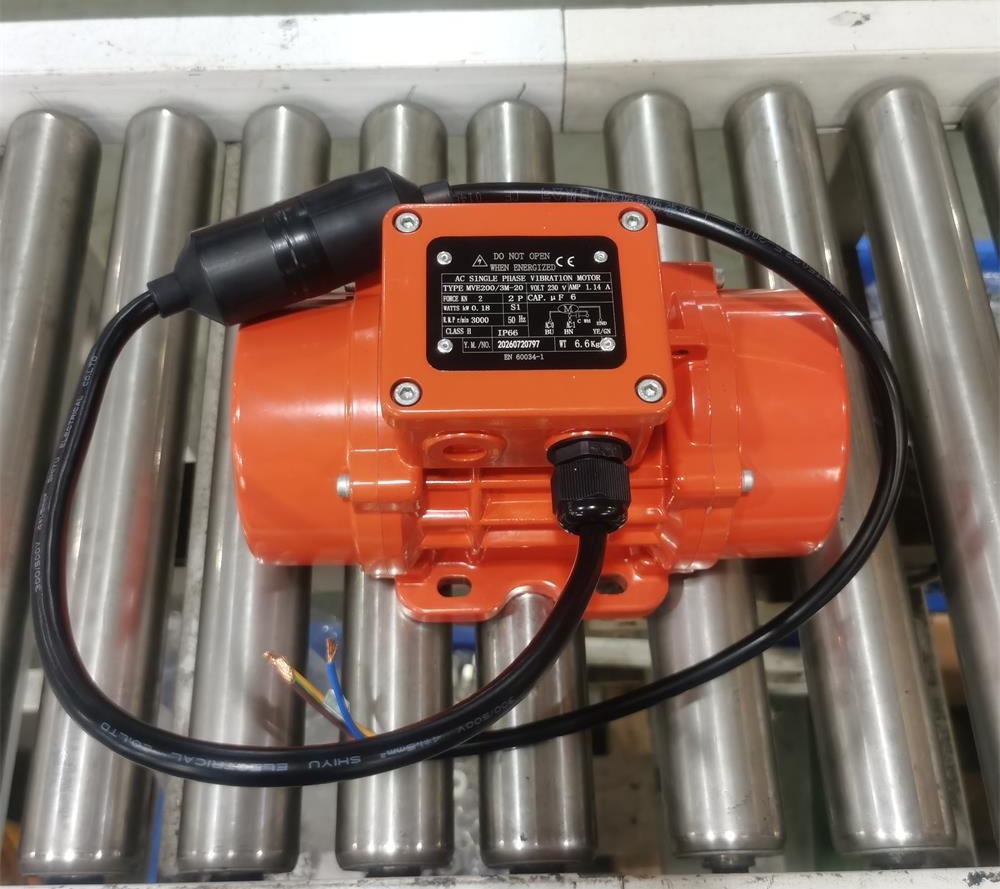
The five product photographs taken before packing show the complete motor from different angles. They provide the customer with a clear visual record of the unit supplied before shipment.
Because this was the customer’s first order, these photographs can also be used as a reference for installation and any future repeat order.
Carton Packaging for One Test Motor
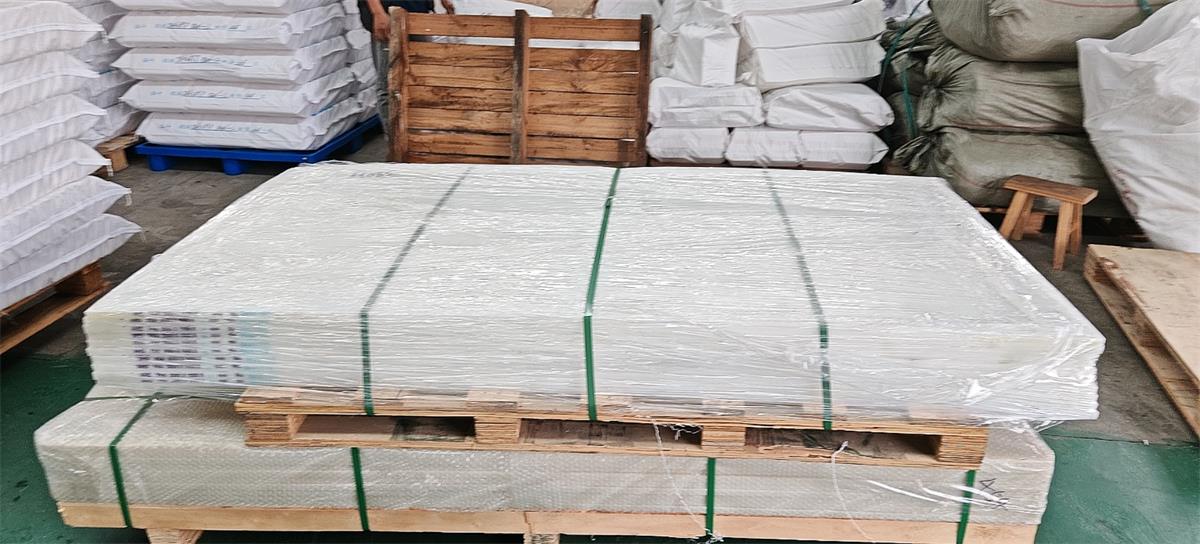
The vibration motor was packed in one carton with a total gross weight of 7 kg.
For a single test unit, carton packaging offers a compact and convenient shipping arrangement. However, vibration motors are relatively dense components, so the product must still be properly protected to prevent movement or damage during handling and transportation.
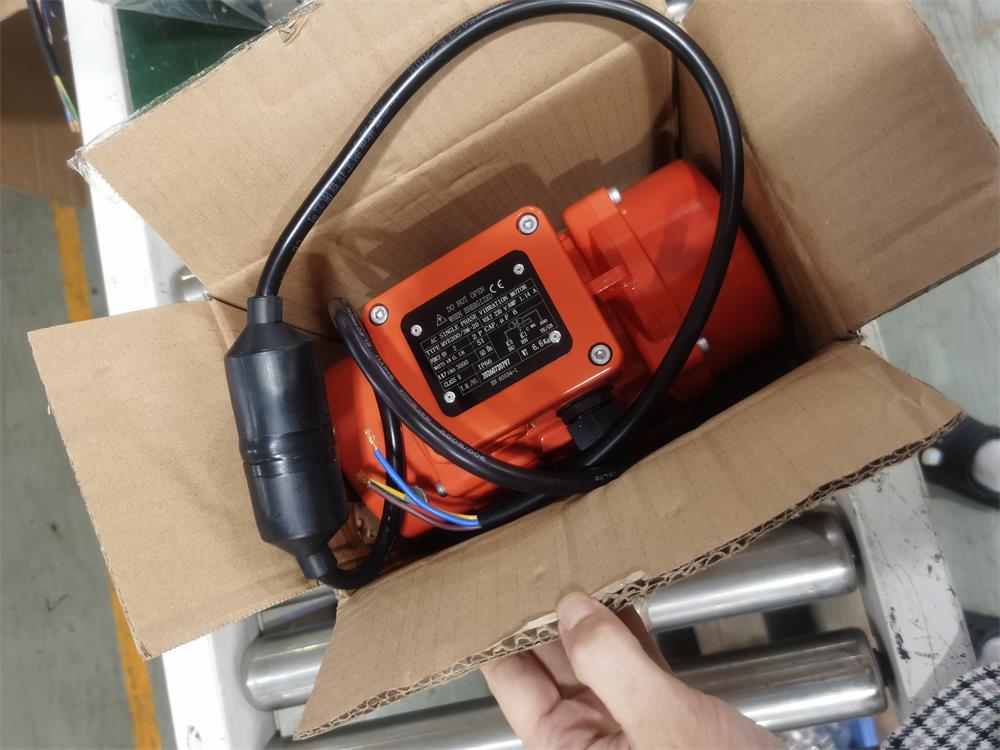
The motor was positioned securely inside the carton and protected before the package was closed.
The final packaging information was:
- Number of cartons: 1
- Product quantity: 1 unit
- Gross weight: 7 kg
- Order purpose: Initial product testing
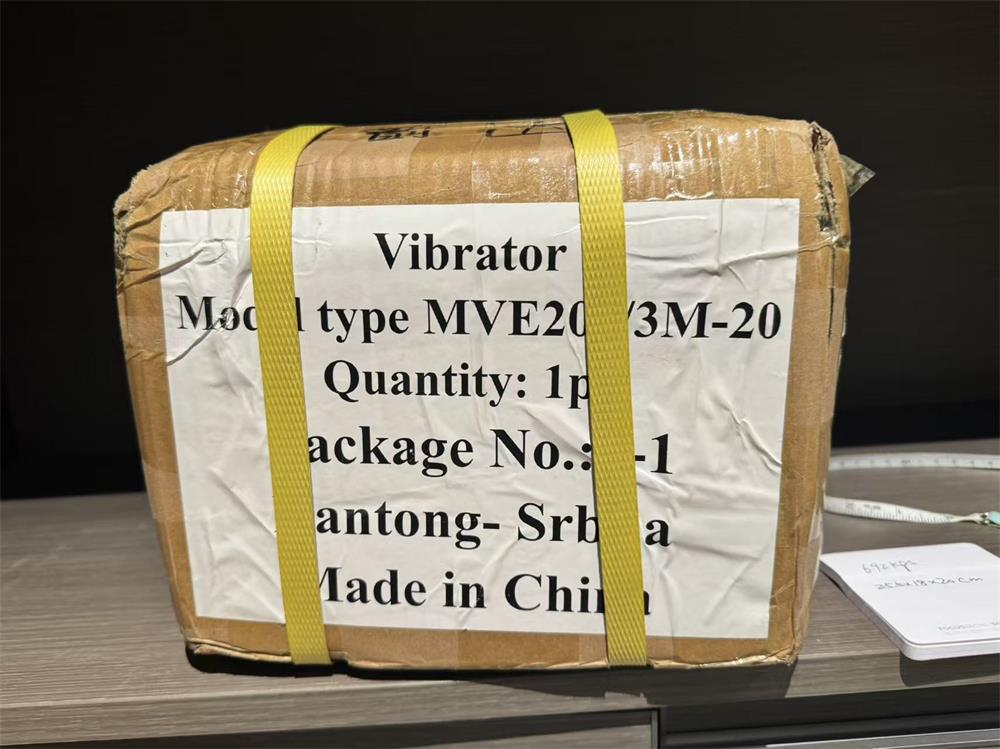
The packaging photograph records the condition of the carton before delivery to the customer’s freight forwarder.
Delivery to the Customer’s Appointed Freight Forwarder
The Serbian customer arranged international transportation through its own freight forwarder.
After completing the inspection and packaging, we delivered the carton to the receiving location specified by the customer. The customer’s freight forwarder then arranged the air shipment.
This type of shipping arrangement is common when a customer:
- Has a regular freight forwarder in China
- Needs to consolidate goods from different suppliers
- Has an existing airfreight agreement
- Prefers to control the international shipping schedule
- Wants its forwarder to manage customs arrangements
- Has other goods waiting for consolidation
When a customer uses its own freight forwarder, we can arrange delivery to the designated warehouse or receiving location according to the provided instructions.
The receiving address, contact person, telephone number and warehouse requirements should be clearly confirmed before dispatch.
Vibration Motors in Grain and Bulk Material Handling Systems
Vibration motors are commonly used as auxiliary components in grain storage and bulk material handling systems.
They may be installed on:
- Grain silos
- Storage hoppers
- Feed bins
- Weighing hoppers
- Bagging equipment
- Chutes
- Material feeding systems
- Conveyor discharge sections
The vibrator can assist material movement when gravity alone does not provide stable or continuous discharge.
However, the actual selection should be based on the equipment structure and working conditions. Excessive vibration may affect the equipment, while insufficient vibration may not provide the required result.
Customers should therefore provide detailed application information rather than selecting a model only according to motor size or price.
Our components for grain conveying and bulk material handling systems include vibration motors and other parts used in conveying, storage and material discharge applications.
Information Required for Vibration Motor Selection
To evaluate a vibration motor inquiry, the following information is helpful.
Electrical Information
- Single-phase or three-phase
- Required voltage
- Required frequency
- Available control method
Equipment Information
- Type of equipment
- Equipment dimensions
- Installation structure
- Proposed mounting position
- Existing mounting dimensions
- Number of motors required
Material Information
- Name of the material
- Powder, granule or bulk solid
- Material density
- Moisture or stickiness
- Existing material flow problem
Operating Information
- Indoor or outdoor installation
- Ambient temperature
- Operating duration
- Intermittent or continuous operation
- Required vibration effect
- Existing motor model, if applicable
Providing complete information helps avoid selecting a motor that is electrically compatible but unsuitable for the actual equipment or application.
Additional product information is available on our industrial vibrator motor product page.
Small Trial Orders for New Customers
Not every industrial component project needs to begin with a large quantity.
A one-unit trial order may be suitable when:
- The application is new
- The original motor model is unavailable
- The customer needs to check installation suitability
- Actual vibration performance must be tested
- A larger future quantity may be required
- Internal approval depends on a successful trial
- The customer wants to evaluate the product first
For this Serbian customer, supplying one test unit allowed the project to move forward without requiring an immediate volume order.
After the customer completes the test, the supplied voltage, frequency and product configuration can serve as a reference for future purchases.
Flexible Supply for International Customers
Although this order included only one vibration motor, clear coordination was still required throughout the process.
The main steps included:
- Confirming the electrical specification
- Preparing the correct single-phase motor
- Inspecting the product
- Photographing the motor from different angles
- Packing it securely in one carton
- Confirming the gross weight
- Delivering the carton to the designated receiving location
- Coordinating receipt by the customer’s freight forwarder
This arrangement is suitable for customers who need test units, replacement parts or small initial quantities before placing a regular order.
Looking for an Industrial Vibration Motor?
YT Conveyor supplies industrial vibration motors for silos, hoppers, chutes, feeders and bulk material handling equipment.
Customers can begin with one test unit or request multiple motors according to their project requirements.
To evaluate a suitable model, please provide the required phase, voltage, frequency, application, installation position and operating conditions.
View our industrial vibration motors for material flow applications.
You can also explore our grain conveyor component solutions for more bulk material handling products.