
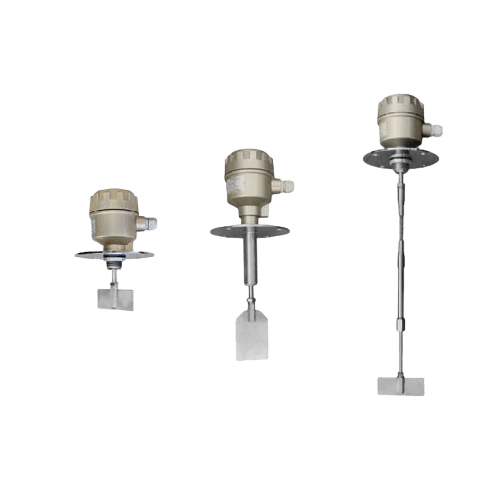
What Is Rotary Paddle Bin Level Switch
Rotary paddle bin level switch is used to detect the level of bulk solid materials in silos, hoppers and bins.
It ensures stable material management by providing reliable signals to control filling, discharge and process operations.
Working Principle of Rotary Paddle Level Switch
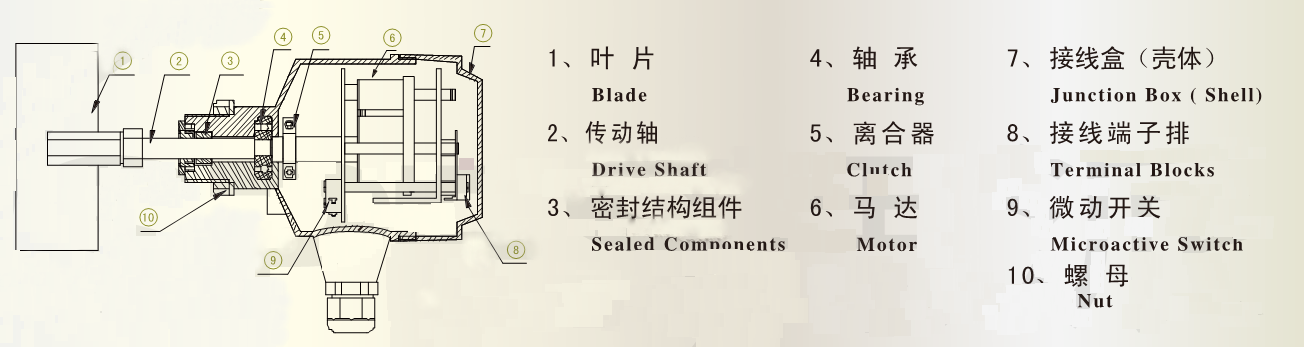
The rotary paddle level switch uses an electric motor to drive a paddle blade to rotate continuously.
When bulk material reaches the paddle position, the rotation is blocked due to material resistance. This triggers the internal control mechanism, generating an electrical signal to indicate material presence.
When the material level drops and the paddle is released, the spring mechanism restores rotation, allowing continuous monitoring of material level changes.
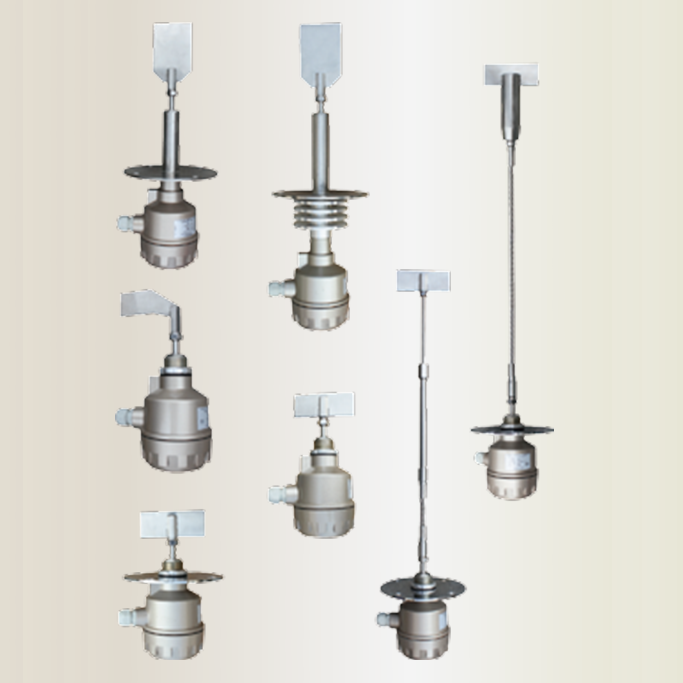
Key Features of Rotary Paddle Level Switch
- Uses rotary paddle technology for reliable bulk material detection
- Equipped with precision mechanical seals to prevent dust entering along the shaft
- Spring clutch protection mechanism prevents motor damage under overload conditions
- Modular design allows maintenance without complete disassembly
- Available with custom paddle designs for low-density materials
- Simple structure with easy installation and connection
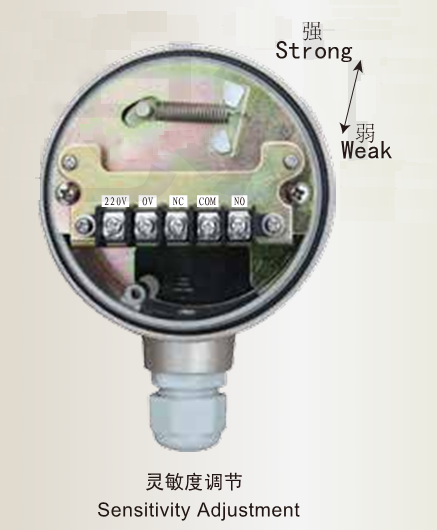
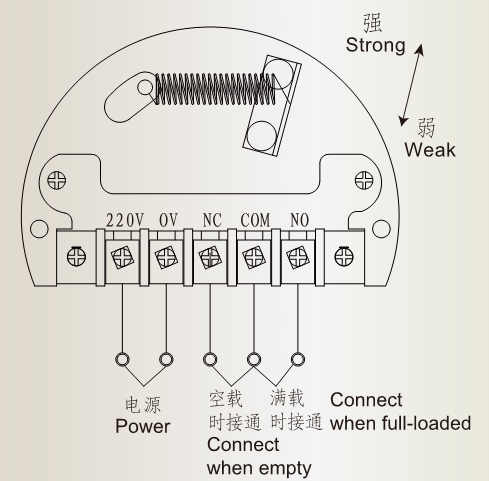
Technical Specifications of Rotary Paddle Level Switch
The following table shows the typical technical data for reference:
- Voltage: 220VAC, 110VAC, 24VAC and 24VDC
- Contact Capacity: 250VAC/5A (Negative Load), SPDT (Single Pole Double Throw)
- Working Temperature: -30°C to 80°C
- Standard high-temperature type: up to 200°C
- Customized high-temperature type: up to 800°C
- Powder: 3W
- Rotating Torque: 1N · m
- Blade Paddle Rotational Speed: 1RPM
- Blade Paddle Material: SUS304
- Protection Grade: IP65
- Cable Entry: M20x1.5
- Suitable Material Density: >=0.4g/cm3
Applications of Rotary Paddle Level Switch
Rotary paddle level switches are widely used in industries handling bulk materials, including:
- Grain storage and processing
- Cement and building materials
- Mining and metallurgy
- Chemical industry
- Power plants
- Food processing
They are suitable for powders, granules and bulk solids in silos and hoppers.
Bin level switches can be integrated into grain storage and bulk material handling systems together with our grain conveyor components, including elevator buckets, conveyor belts, cleaning parts, vibration motors, and other compatible accessories.
Advantages in Silo Level Monitoring
The rotary paddle level switch provides a simple and reliable solution for material level control.
It helps:
- Prevent silo overfilling
- Avoid empty running of equipment
- Improve process automation
- Ensure stable production operation
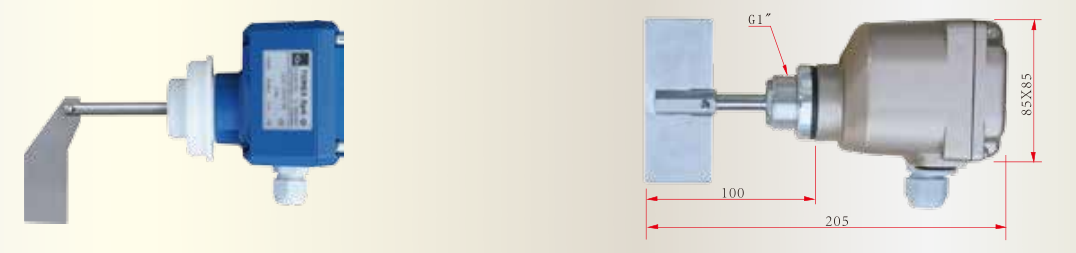
SR2 Rotary Paddle Level Switch – Model Variants
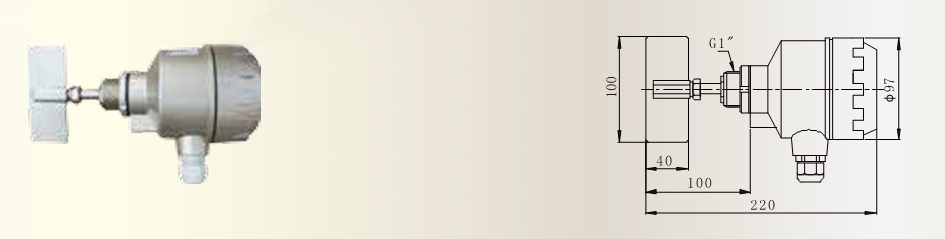
SR2-10S Rotary Paddle Level Switch
Standard Screw Type
Vertical and Horizontal Installation are both Acceptable
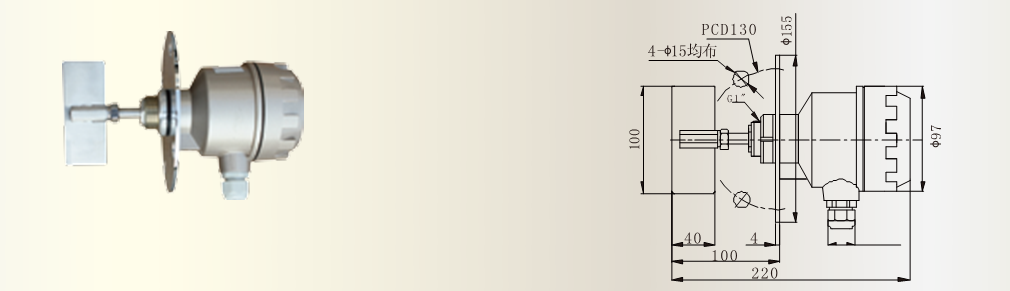
SR2-10F Rotary Paddle Level Switch
Standard Flange Type
Vertical and Horizontal Installation are both Acceptable
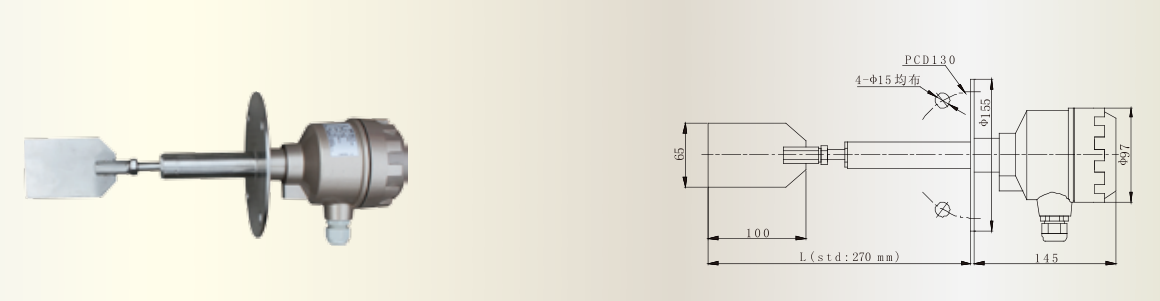
SR2-20F Rotary Paddle Level Switch
Axis Protection Tube Type
Vertical and Horizontal Installation are both Acceptable
SR2-20F-T Rotary Paddle Level Switch
Axis Protection Tube and High-Temperature Type
Vertical and Horizontal Installation are both Acceptable
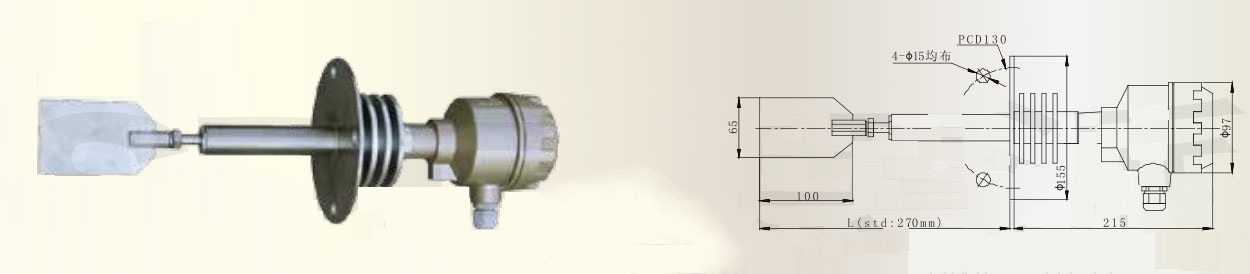
SR2-30F Rotary Paddle Level Switch
Adjustable Axis Length Type
Only for Vertical Installation
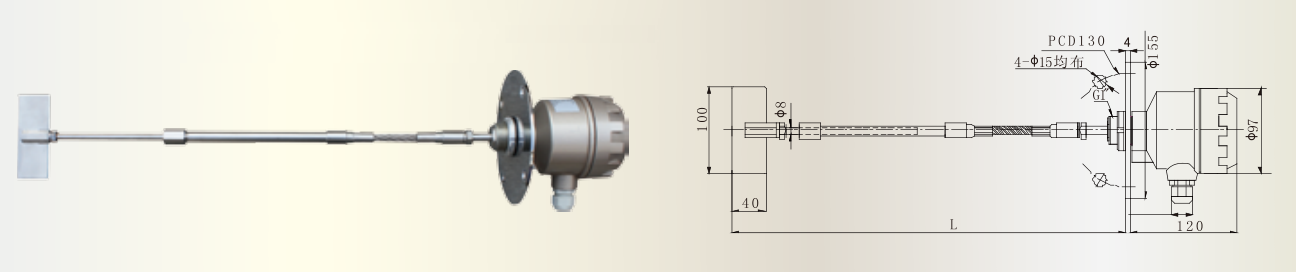
SR2-40F Rotary Paddle Level Switch
Steel Cable Type
Only for Vertical Installation

SR2-20F-H Rotary Paddle Level Switch
Special High-temperature Type (Max 800℃)
Vertical and Horizontal Installation are both Acceptable

SR2-10XLT Rotary Paddle Level Switch
Specially Customized
Vertical and Horizontal Installation are both Acceptable
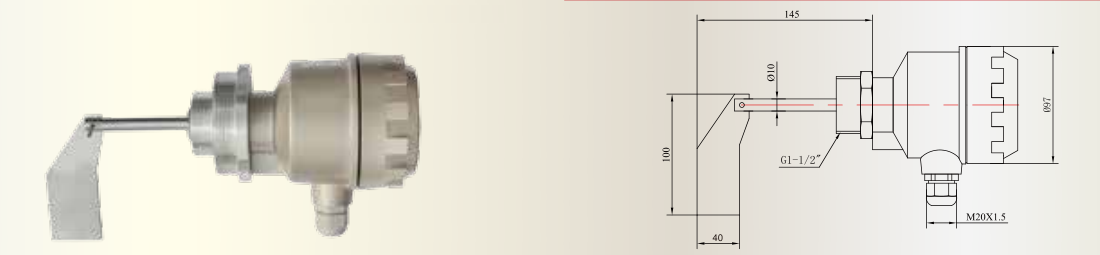
SR7-10 Rotary Paddle Level Switch
Standard Explosion Proof Type
Vertical and Horizontal Installation are both Acceptable
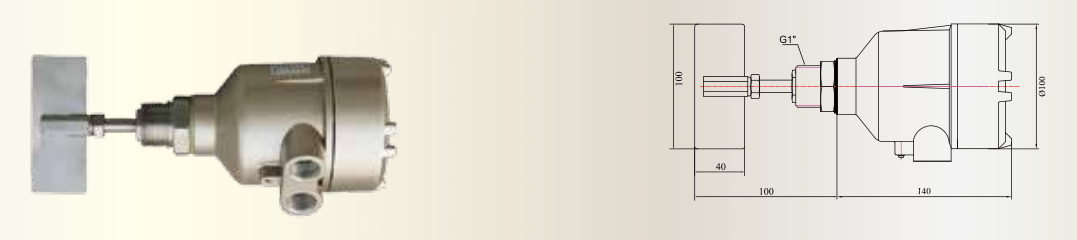
SR2-10F-L Rotary Paddle Level Switch
Straight Rod Extension Type
Only for Vertical Installation

SR2-XLT Rotary Paddle Level Switch
Special Square Shape, Standard Screw Type
Vertical and Horizontal Installation are both Acceptable
Model Selection Guide for SR2 Rotary Paddle Level Switch
Selecting the right model is important to ensure accurate level detection and reliable operation.
Key Factors for Model Selection
- Material type – powder, granules or bulk solids
- Material density – low-density materials may require special paddle design
- Installation position – top, side or angled mounting
- Working temperature – standard or high-temperature environment
- Silo or hopper size – determines shaft length and motor power
Typical Model Selection Reference
| Model Type | Suitable Application | Key Feature |
|---|---|---|
| Standard Type | General bulk materials | Standard performance, cost-effective |
| Extended Shaft Type | Deep silo or long insertion | Longer shaft for deeper detection |
| High Temperature Type | High temperature environments | Heat-resistant design |
| Small Paddle Type | Low-density materials | Higher sensitivity |
| Heavy-Duty Type | High-density or heavy materials | Stronger torque and durability |
Final Recommendation
If you are not sure which model is suitable, please send us your material type, density, silo size and working conditions.
We will recommend the most suitable SR2 model for your application.
Model Selection Guide for SR2 Rotary Paddle Level Switch
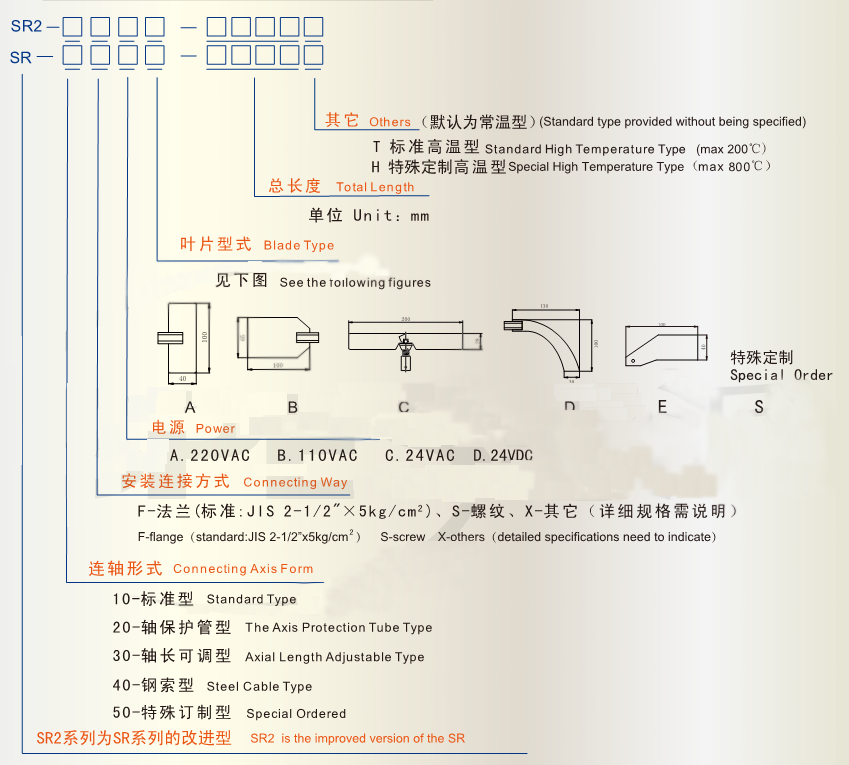
For Example SR2-10SAA-0800
Means: Standard Screw Type, 220VAC, A Type 100x40mm Rotary Paddle, total length 800mm.
Available Types of Silo Level Switches and Sensors
We offer a wide range of level detection solutions for silo and bin applications, including:
- Rotary Paddle Level Switch
- Small Rotary Paddle Level Switch
- Capacitance Level Switch
- RF Admittance Level Sensor
- Radar Level Sensor and Ultrasonic Level Sensor
- Weighing Level Sensor
- Pneumatic Hammer and Vibrator
Installation and Application Areas
The level switch is typically installed on:
- Silo side walls
- Hopper walls
- Storage bins
It can be used for high-level and low-level detection depending on the installation position.
Widely used in processing and conveying equipment in industries including grain, feed, seed, cement, plastics, construction and chemical processing.
Installation Guidelines for Silo Level Switch
To ensure proper operation and long service life, please follow the installation guidelines below:
1. Power Supply Check
Please confirm the correct power supply before installation to avoid damage to the motor.
2. Installation Position
Install the level switch away from the material inlet to prevent direct impact from falling materials.
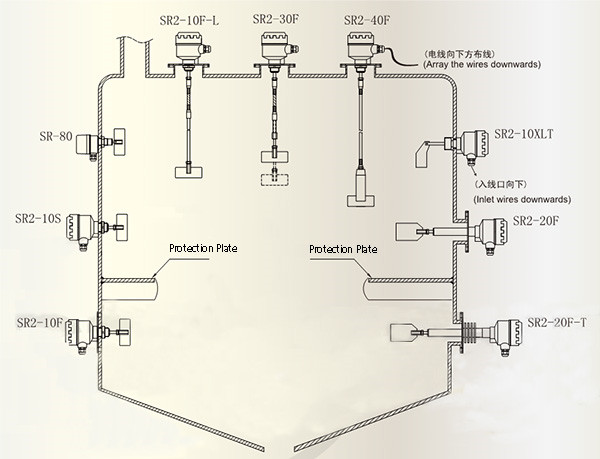
3. Cable Direction and Sealing
- For horizontal installation, ensure the cable entry is facing downward
- For vertical installation, also ensure the cable is directed downward (refer to the diagram)
Secure the cable gland and junction box cover tightly to prevent rainwater, dust or foreign matter from entering the unit.
4. Installation Angle (Horizontal Mounting)
For horizontal installation, it is recommended to mount the level switch with a downward inclination of 15–20°.
This helps reduce material accumulation around the paddle.
5. Protection for Lower Installation Position
When the level switch is installed in a lower position, a protective plate is recommended to prevent damage from material impact.
A semi-circular protective tube can be used:
-
- At least 50 mm longer than the level switch
- Installed approximately 250 mm above the switch
- Fixed or welded in position for effective protection
Maintenance and Troubleshooting
Proper maintenance and timely troubleshooting can ensure stable operation and extend the service life of the level switch.
Routine Maintenance
- Regularly check the paddle rotation condition to ensure it operates smoothly
- Inspect the sealing parts and cable entry to prevent dust or moisture ingress
- Clean any material build-up around the paddle to avoid false signals
- Periodically check the electrical connections for safety and reliability
Common Issues and Solutions
1. Paddle does not rotate
- Check power supply and wiring connections
- Inspect whether the motor is damaged
- Ensure no material blockage is preventing rotation
2. False level signal (incorrect detection)
- Check if material has accumulated around the paddle
- Verify whether the paddle type is suitable for the material density
- Adjust installation position or angle if necessary
3. No signal output
- Check electrical contact and control system
- Verify switch contact capacity and connection status
- Inspect internal components for damage
4. Frequent overload or motor protection activation
- Check if material density is too high
- Ensure proper paddle selection
- Inspect for excessive material impact
Maintenance Recommendation
For long-term stable operation, it is recommended to perform regular inspection and cleaning, especially in environments with high dust, moisture or sticky materials.
Related Products for Silo & Bin Systems
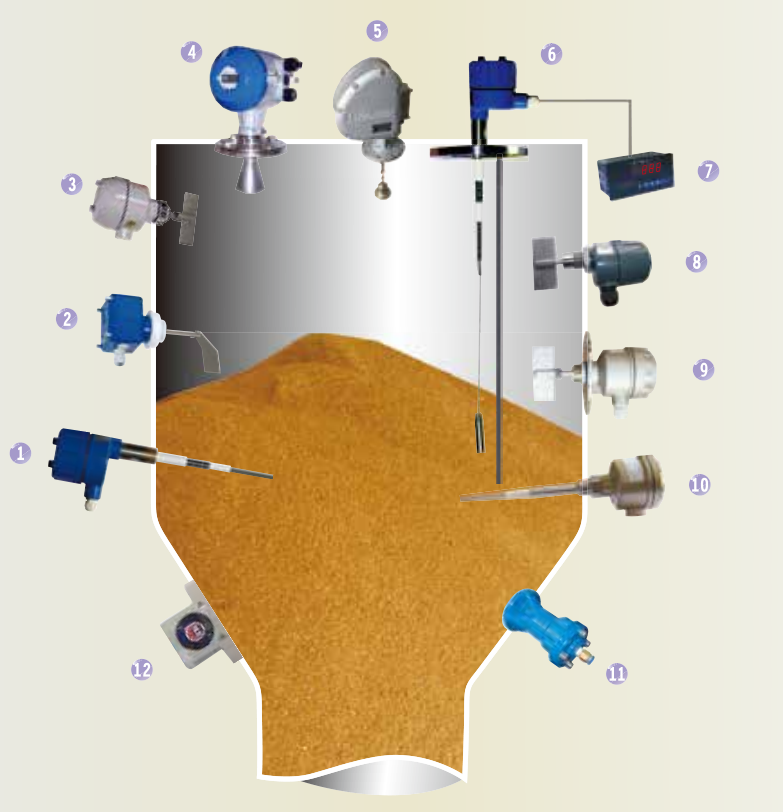
- RF Admittance Sensor
- Rotary Paddle Level Switch
- Rotary Paddle Level Switch
- Radar Sensor
- Sensing Weight Level Sensor
- RF Admittance Level Sensor
- Digital Displayer
- Small Rotary Paddle Level Switch
- Rotary Paddle Level Switch
- Capacitance Sensor Level Switch
- Pneumatic Hammer
- Pneumatic Vibrator
FAQ – Bin Level Switch
What is a bin level switch?
A bin level switch is a level detection device used to monitor the material level inside silos, bins, and hoppers. It helps indicate whether bulk material has reached a preset level inside the container.
What are bin level switches used for?
Bin level switches are used to detect the presence or absence of bulk materials in storage equipment such as silos, hoppers, and bins. They help monitor material level and support continuous material handling processes.
How does a rotary paddle bin level switch work?
A rotary paddle level switch uses a small motor to rotate a paddle continuously. When bulk material reaches the paddle, the rotation is blocked by material resistance, which triggers an output signal to indicate the material level. When the material level drops, the paddle resumes rotation.
What applications are suitable for bin level switches?
Bin level switches are commonly used in silos, storage bins, hoppers, feeding systems, and bulk material handling equipment for powders, granules, and light to medium bulk materials.
What are the main features of a bin level switch?
Bin level switches provide reliable level detection, stable operation, low power consumption, compact structure, and easy installation. Different paddle types are available for various material conditions.
What types of bin level switches are available?
Available level switch types include rotary paddle level switches, small rotary paddle level switches, capacitance level sensors, RF admittance sensors, radar sensors, ultrasonic sensors, and weighing level sensors.
Where are bin level switches commonly installed?
Bin level switches are typically installed on the side or top of silos, bins, or hoppers. Proper installation position helps avoid direct material impact and improves long-term operating performance.
Custom Level Detection Solution
Different materials and working conditions require different paddle designs and configurations.
We can provide customized solutions based on your material density, silo size and operating conditions.
Related Products for Silo Level Detection and Material Flow
You may also be interested in:
Ensure Reliable Material Level Control Today
Looking for a dependable solution to monitor material levels in your silo or hopper?
Send us your material type, silo size and working conditions. We will recommend the most suitable rotary paddle level switch for your application.
If you encounter any issues during operation, feel free to contact us for technical support.
Contact us today for a quick recommendation and quotation.

