

Chain conveyors are widely used in grain handling, feed mills, rice processing plants, flour mills, silo systems, and other bulk material conveying lines. During long-term operation, the conveyor chain, flights, sprockets, and support parts work together under continuous load, dust, friction, and material impact.
When one part wears or becomes mismatched, the whole conveyor system may become noisy, unstable, or less efficient. Knowing the common problems and preparing the right spare parts can help reduce downtime and make maintenance easier.
At YT Conveyor, we manufacture and supply chain conveyor components including scraper conveyor chains, conveyor flights, sprockets, nylon gear wheels, and related replacement parts for bulk material handling systems.
Why Chain Conveyor Spare Parts Matter
A chain conveyor is not only one chain running inside a trough. It is a complete working system. The chain pulls the flights, the flights move the material, the sprockets drive the chain, and nylon or UHMWPE guiding parts help reduce friction and wear.
If the replacement parts do not match the original system, several problems may happen:
- The chain may jump or run unevenly.
- The sprocket teeth may wear faster.
- The scraper flights may break or deform.
- The conveyor may become noisy.
- Material may build up inside the trough.
- The service life of the whole system may become shorter.
For this reason, spare parts should be selected according to the chain type, conveyor structure, material condition, and working load.
Common Chain Conveyor Problems
Chain Wear or Elongation
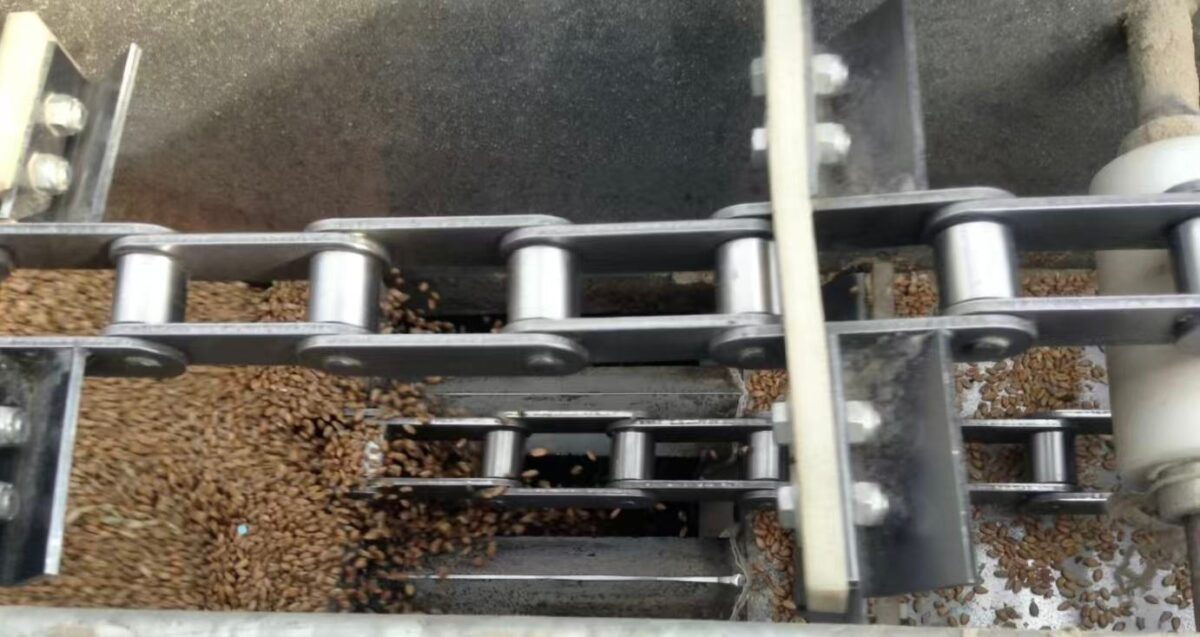
Chain wear is one of the most common problems in chain conveyor systems. After long-term operation, the pins, bushings, rollers, and chain plates may wear gradually. This can cause chain elongation, poor engagement with the sprocket, and unstable movement.
Common signs include:
- The chain becomes loose even after adjustment.
- The conveyor runs with abnormal noise.
- The chain does not sit correctly on the sprocket.
- The chain moves unevenly inside the trough.
- The conveyor requires frequent tension adjustment.
For horizontal scraper conveyors, GLF and 81X scraper conveyor chains are commonly used with flat scraper flights. For U-type scraper conveyor systems, GLR scraper conveyor chains are often used with arc-type flights.
When replacing a chain, it is important to check the chain pitch, roller diameter, plate thickness, attachment type, and working direction.
Worn Sprockets or Poor Chain Engagement
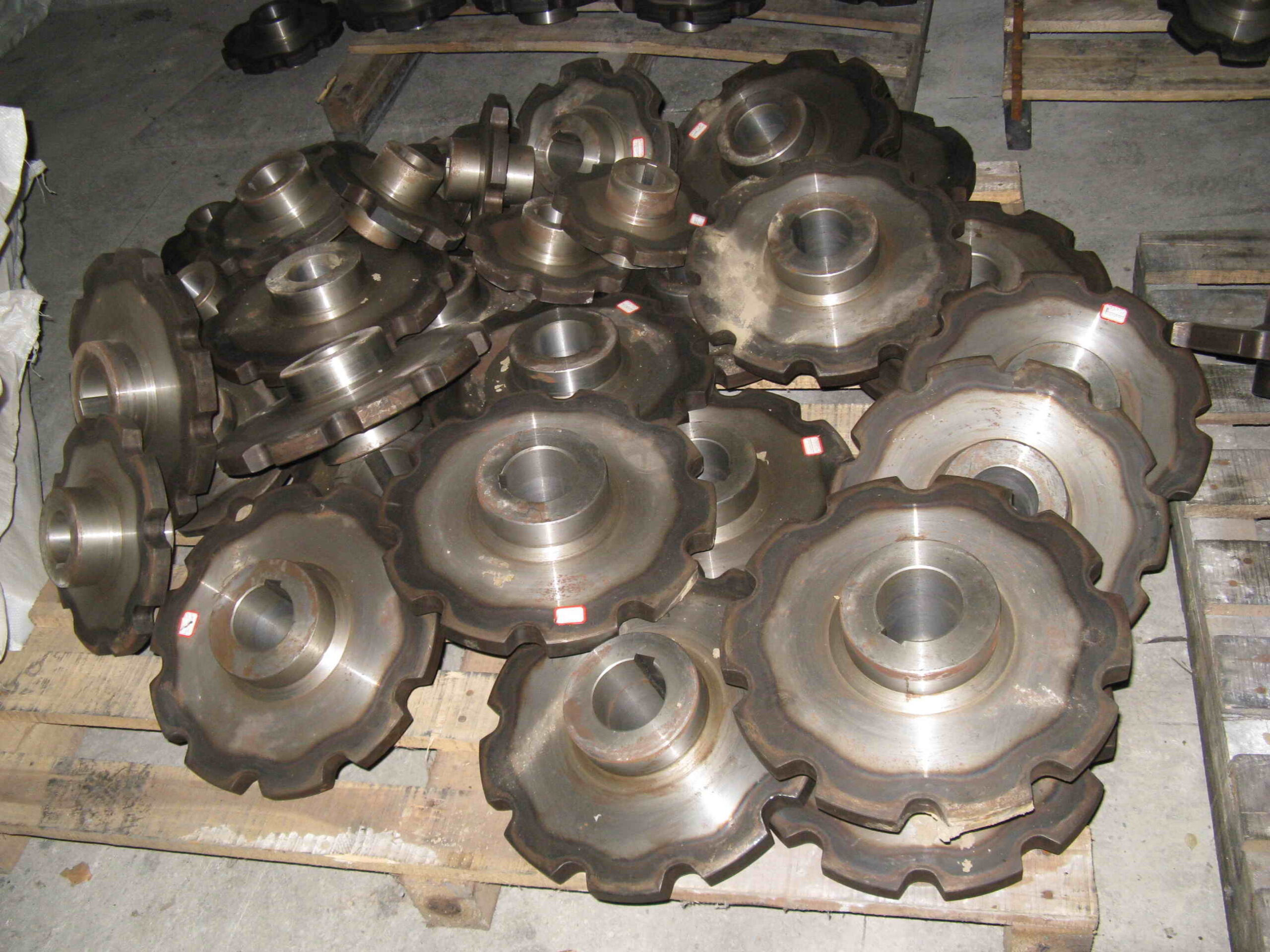
The sprocket drives the conveyor chain. If the sprocket teeth are worn, deformed, or mismatched with the chain pitch, the chain may not engage smoothly.
Typical sprocket problems include:
- Sharp or hooked sprocket teeth
- Uneven tooth wear
- Chain jumping during operation
- Increased vibration
- Faster chain wear
- Poor alignment between chain and sprocket
A conveyor sprocket should match the chain type, pitch, tooth number, shaft size, and installation structure. For heavy-duty or continuous operation, material and heat treatment are also important.
If the chain is replaced but the old sprocket is badly worn, the new chain may wear quickly. In many maintenance cases, checking both the chain and sprocket together is more practical.
Broken or Worn Conveyor Flights
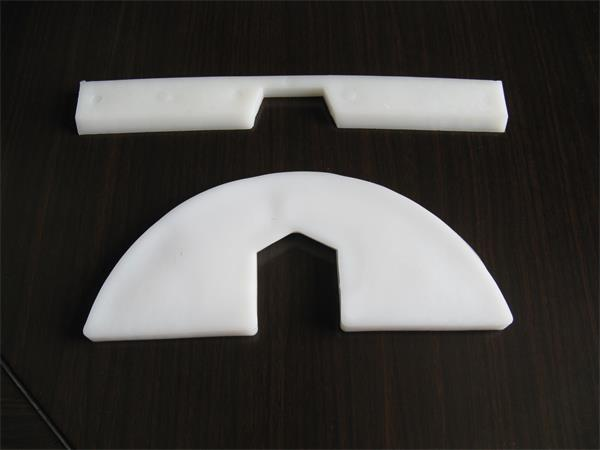
Conveyor flights, also called scraper flights or drag flights, are the parts that push material forward inside the conveyor. They are directly exposed to material friction and impact, so wear or breakage is common in grain, feed, and bulk material handling systems.
Common flight problems include:
- Worn flight edges
- Broken or cracked plastic flights
- Loose or missing fixing bolts
- Uneven material movement
- Reduced conveying capacity
- Material left inside the conveyor trough
Different conveyor structures need different flight shapes. For flat scraper conveyor systems, BF flat drag conveyor flights are commonly matched with GLF or 81X series chains. For U-type scraper conveyor systems, BR arc drag conveyor flights are commonly matched with GLR chains.
When replacing flights, the hole distance, chain attachment style, flight width, flight shape, and material should be checked carefully.
Chain Jumping, Slipping, or Abnormal Noise
Chain jumping or abnormal noise usually means that one or more parts are not working correctly. The reason may come from chain elongation, sprocket wear, poor tension, wrong alignment, worn guide parts, or material build-up.
Possible causes include:
- Chain tension too loose or too tight
- Worn chain or sprocket
- Misaligned sprocket shaft
- Broken or missing flights
- Foreign material inside the conveyor
- Worn nylon rollers or guide wheels
If the conveyor suddenly becomes noisy, it is better to stop and inspect the chain path, sprockets, flights, and guiding parts before the problem becomes more serious.
Material Build-up or Conveyor Blockage
Material build-up is common when the conveyed material is sticky, dusty, wet, or not discharged smoothly. It can increase the load on the chain and flights, causing faster wear or even chain breakage.
Common causes include:
- Material moisture is too high.
- The discharge area is blocked.
- The flight size is not suitable.
- The conveyor speed is not correct.
- The trough has worn or damaged lining.
- The chain and flights are not moving smoothly.
In this case, it is not enough to replace only one part. The whole conveying condition should be checked, including material type, conveyor angle, speed, trough condition, and discharge design.
Wear on Nylon Rollers, Gear Wheels, or Guiding Parts
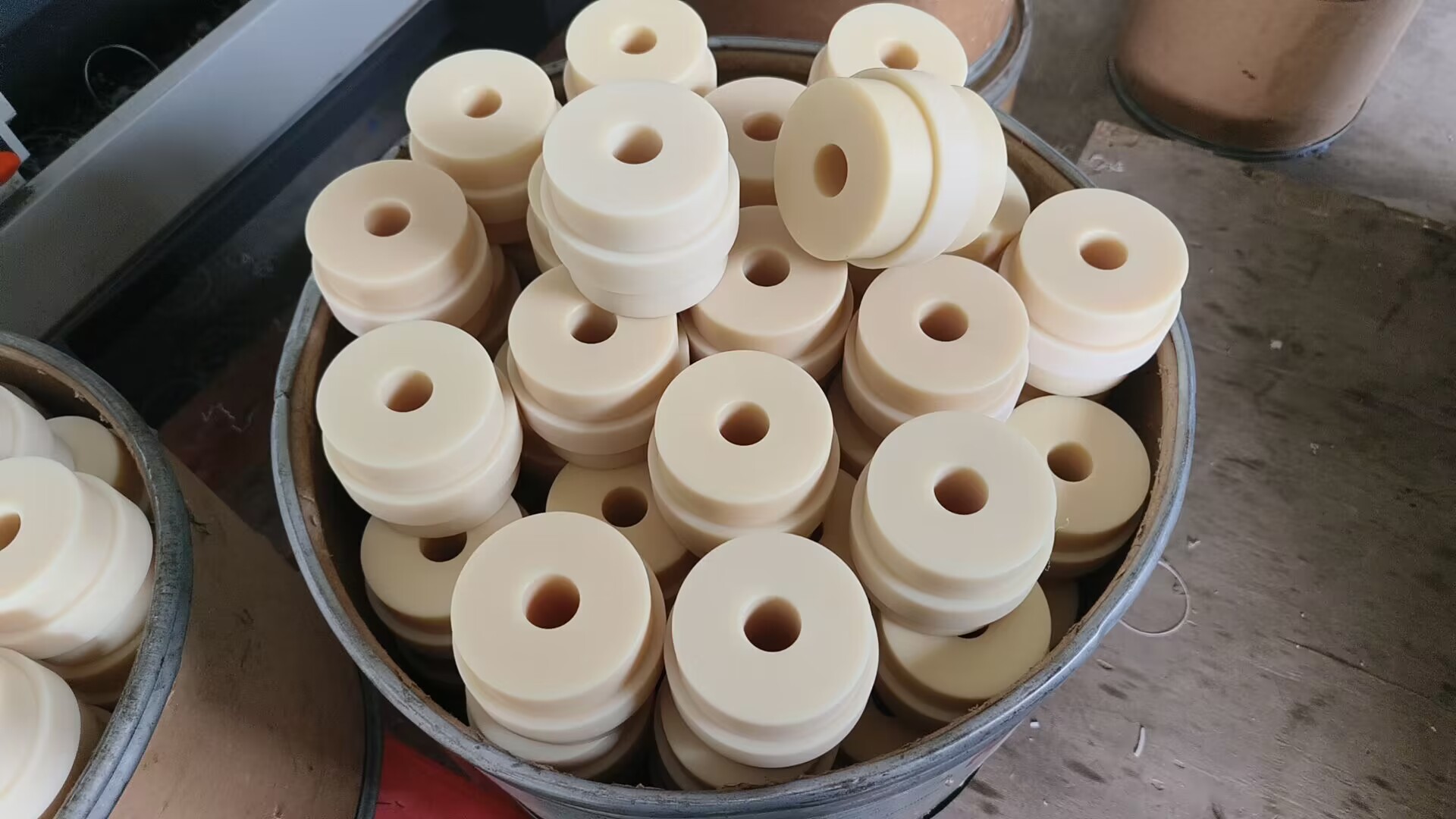
Nylon gear wheels, support rollers, and guiding parts help the chain run more smoothly and reduce friction inside the conveyor. If these parts are worn, the chain may run with more resistance, more noise, and less stability.
A worn nylon gear wheel may cause:
- Chain vibration
- Higher running noise
- Uneven chain support
- Faster chain and flight wear
- More frequent maintenance
Compared with metal parts, nylon components can help reduce noise and friction in some conveyor applications. However, the size, bore, tooth profile, and installation method must match the existing conveyor.


Common Spare Parts for Chain Conveyor Maintenance
Scraper Conveyor Chain
The conveyor chain is the main pulling part of the system. It must have enough strength, wear resistance, and correct dimensions.
When selecting a replacement chain, check:
- Chain model or series
- Pitch
- Roller diameter
- Inner width
- Plate thickness
- Attachment type
- Material and heat treatment
- Required tensile strength
If you are not sure which chain model is used, photos, drawings, old chain dimensions, or conveyor nameplate information can help identify the correct type.
BF Flat Drag Conveyor Flight
The BF flat drag conveyor flight is commonly used in horizontal scraper conveyor systems. It works together with GLF and 81X series chains to push grain, feed, seed, and other bulk materials.
When choosing a BF flat drag conveyor flight, check the flight width, hole distance, thickness, material, and matching chain type.

BR Arc Drag Conveyor Flight
The BR arc drag conveyor flight is commonly used in U-type scraper conveyor systems. Its arc shape helps match the conveyor trough structure and move materials smoothly.
When replacing a BR arc drag conveyor flight, check whether it matches the GLR chain, the trough shape, and the original fixing holes.

Conveyor Sprockets
Sprockets are important for smooth chain transmission. A good sprocket should match the chain pitch and tooth profile correctly.
When ordering a sprocket, it is helpful to confirm:
- Chain type
- Chain pitch
- Number of teeth
- Bore size
- Keyway size
- Hub type
- Material
- Heat treatment requirement
- Whether split sprocket structure is needed
For maintenance convenience, some systems may use split sprockets, which can be installed or removed more easily.
Nylon Gear Wheels and Support Rollers
Nylon gear wheels and support rollers are often used to guide or support the chain. They help reduce friction, noise, and direct metal contact.
When replacing nylon parts, check:
- Outer diameter
- Bore size
- Width
- Tooth profile or groove shape
- Material
- Installation position
- Working temperature and load condition
These parts may look simple, but incorrect dimensions can affect the running stability of the chain.
Bolts, Pins, and Connecting Parts
Small connecting parts are also important. Loose bolts, worn pins, or mismatched fasteners may cause flights to loosen or fall off during operation.
For regular maintenance, it is useful to keep some common bolts, nuts, connecting links, and pins as spare parts, especially for conveyors running continuously in grain or feed processing plants.
How to Choose the Right Replacement Parts
Before ordering replacement parts, it is better to check the whole conveyor system instead of only the broken part.
A practical selection process includes:
- Identify the conveyor type.
- Check the chain model and pitch.
- Confirm whether the conveyor uses flat flights or arc flights.
- Inspect the sprocket teeth and bore size.
- Check nylon rollers, gear wheels, and guiding parts.
- Compare the old part dimensions with the new drawing.
- Consider the conveyed material, working hours, and load condition.
If one part is badly worn, related parts may also need inspection. For example, if the chain is elongated, the sprocket may also be worn. If several flights are broken, the chain tension or material blockage should also be checked.
What Information Should You Send Before Ordering?
To help us recommend the right chain conveyor spare parts, you can send:
- Conveyor type or equipment model
- Photos of the old parts
- Drawings if available
- Chain pitch and main dimensions
- Flight size and hole distance
- Sprocket tooth number and bore size
- Material being conveyed
- Working condition and required quantity
If there is no drawing, clear photos with key dimensions are also helpful. Our team can help check the chain, flights, sprockets, and nylon parts together.
YT Conveyor Chain Conveyor Component Supply
YT Conveyor manufactures chain conveyor spare parts for grain, feed, seed, rice, flour, silo, and bulk material handling systems. Our products include scraper conveyor chains, BF and BR conveyor flights, conveyor sprockets, nylon gear wheels, support rollers, and related components.
You can visit our chain conveyor components page to see the main product range. You can also view our chain conveyor component projects to learn more about previous supply cases.
If you need replacement parts for an existing conveyor, send us your photos, drawings, dimensions, or old sample information. We can help check the suitable parts and recommend a practical solution.
FAQ
What are the most common spare parts for a chain conveyor?
Common chain conveyor spare parts include scraper conveyor chains, conveyor flights, sprockets, nylon gear wheels, support rollers, bolts, pins, and connecting links.
When should a scraper conveyor chain be replaced?
A scraper conveyor chain should be replaced when it is seriously elongated, worn, cracked, noisy, or no longer engages correctly with the sprocket. If frequent tension adjustment is needed, the chain should also be inspected.
Can conveyor flights be replaced separately?
Yes. Conveyor flights can often be replaced separately if the chain is still in good condition. However, the new flights must match the chain attachment holes, conveyor width, and original flight shape.
How do I know if the sprocket is worn?
A worn sprocket may have sharp, hooked, or uneven teeth. Other signs include chain jumping, abnormal noise, poor engagement, and faster chain wear.
Can YT Conveyor help match parts based on photos or drawings?
Yes. If you send photos, drawings, chain dimensions, flight size, sprocket details, or old part samples, YT Conveyor can help check the suitable replacement parts for your chain conveyor system.


