

Grain elevator buckets are key working parts in bucket elevator systems. They are fixed on elevator belts or chains and used to lift grain, feed, seed, fertilizer, and other bulk materials vertically.
Choosing the right bucket is important for conveying capacity, discharge performance, grain damage control, wear resistance, and long-term operation. A bucket that looks similar in size may still perform differently because of its material, depth, shape, hole position, and discharge method.
At YT Conveyor, we manufacture bucket elevator components, including elevator buckets, elevator belts, elevator bolts, pulleys, and related spare parts for grain handling and bulk material conveying systems.

What Are Grain Elevator Buckets?
Grain elevator buckets are containers installed on a bucket elevator belt or chain. As the elevator runs, the buckets pick up material from the bottom section and discharge it at the top.
They are widely used in grain storage, feed mills, seed processing plants, rice mills, flour mills, fertilizer plants, and other bulk material handling systems.
Different applications may require different bucket types. For example, a bucket used for dry grain storage may not be the best choice for high-temperature grain drying or abrasive feed materials.
Main Factors for Choosing Grain Elevator Buckets
When selecting grain elevator buckets, the main factors include:
Material being lifted
Required capacity
Bucket elevator speed
Discharge method
Bucket spacing
Bucket material
Wear resistance
Temperature condition
Mounting hole position
Belt or chain type
Existing bucket size or sample
If the bucket is too small, the elevator capacity may be limited. If the bucket is too large or too deep for the running speed, discharge may become poor and material backflow may increase.
The correct bucket should match the elevator design, material flow, and working conditions.
Plastic Elevator Buckets or Steel Elevator Buckets?
Grain elevator buckets can be made from plastic or steel.
Plastic buckets, such as HDPE, nylon, and PU buckets, are widely used in grain and feed handling systems. They are lightweight, corrosion-resistant, and can reduce wear on the belt and equipment. Plastic buckets are also suitable for many agricultural applications where lower noise and cleaner operation are preferred.
Steel buckets are often selected for heavy-duty, high-temperature, or abrasive applications. They offer strong structural performance and can be used in harsh working conditions.
For many grain handling systems, plastic elevator buckets are a practical and cost-effective choice. For more demanding applications, steel buckets may be recommended.
Common Types of Elevator Buckets
YT Conveyor provides different bucket types for grain and bulk material handling. You can view our elevator bucket product range to compare different bucket models and structures.
Common bucket types include deep bottom buckets, shallow bottom buckets, middle-depth buckets, CC style buckets, dryer buckets, and customized steel buckets.
Each type has its own application range. The best choice depends on material characteristics, elevator speed, discharge method, and required capacity.
CC Elevator Bucket for Grain Handling
The CC elevator bucket is commonly used in agricultural material handling. It is suitable for grain, feed, seed, fertilizer, and other free-flowing materials.
CC style buckets are often selected for efficient material discharge and higher conveying performance. They can be used in many grain elevator systems where stable bucket filling and discharge are required.
When choosing a CC bucket, it is important to check the bucket size, mounting hole position, bucket spacing, usable capacity, and material options such as HDPE, nylon, or PU.

DS Deep Bottom Elevator Bucket
The DS elevator bucket is a deep bottom bucket in metric size. It is suitable for larger particle materials and applications where higher bucket capacity is required.
Deep bottom buckets can hold more material, but they also need to match the elevator speed and discharge method. If the speed is not suitable, material may not discharge completely.
DS buckets are commonly used in grain, feed, seed, and agricultural bulk material lifting systems.

DQ Shallow Bottom Elevator Bucket
The DQ elevator bucket is a shallow bottom bucket designed for high-speed bucket elevator systems.
Compared with deep bottom buckets, shallow bottom buckets are often used where centrifugal discharge is required. They are suitable for powder, light bulk materials, and applications where faster discharge is needed.
When choosing between DS and DQ buckets, the elevator speed and discharge method should be checked carefully. These two bucket types may have similar length and projection dimensions, but their depth and discharge behavior are different.

DM Rice Mill Bucket
The DM rice mill bucket is commonly used in rice mill bucket elevators and grain processing equipment.
Compared with general elevator buckets, DM buckets are often selected for rice, grain, and similar materials where stable lifting and lower material damage are important. The bucket shape, mounting hole position, and material should match the original rice mill elevator design.
When replacing DM rice mill buckets, it is important to confirm the bucket model, dimensions, hole position, bucket spacing, and belt or chain structure. If the customer is not sure about the model, photos, samples, or old bucket dimensions can help confirm whether the bucket can be matched.
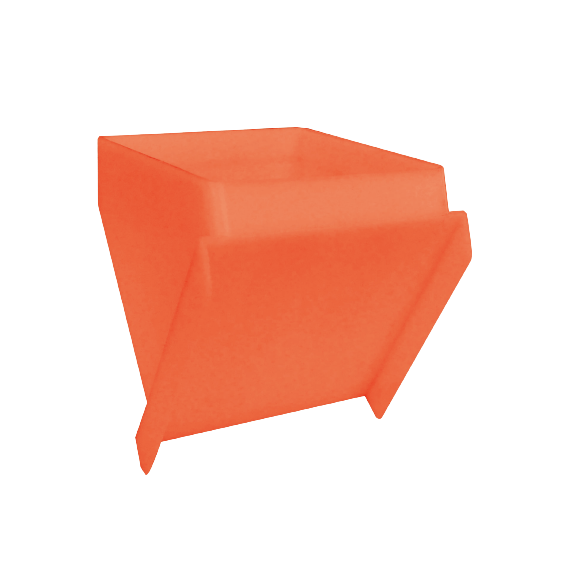
DX Dryer Elevator Buckets for Special Grain Handling
Some grain handling systems, such as grain dryers or rice mill equipment, may require special bucket designs for lower grain damage and smoother discharge.
For these applications, bucket shape, material, temperature resistance, and discharge performance should be checked carefully. However, dryer buckets are usually selected according to the original equipment design, so drawings, samples, or existing bucket dimensions are important before replacement.
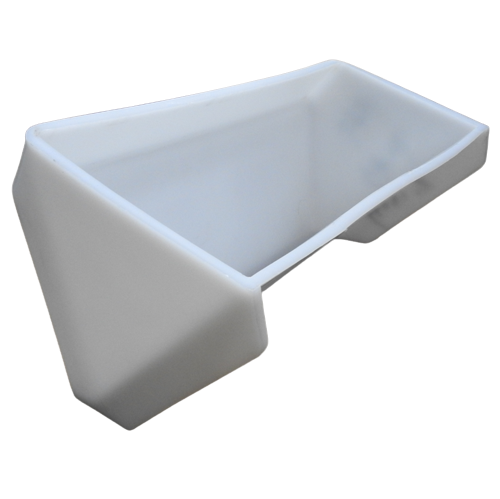
DL Buckets for Z Bucket Elevators
The DL type Z elevator bucket is used for chain-type Z bucket elevator systems. It is different from standard grain elevator buckets because Z bucket elevators usually combine horizontal and vertical conveying.
DL buckets are often used in food, grain, seed, and light industrial conveying applications where gentle material handling is required.
However, Z bucket elevators from different manufacturers may use different bucket dimensions, chain structures, and mounting designs. Even if the bucket shape looks similar, it may not always fit the existing equipment.
For replacement, it is important to check the bucket length, width, depth, mounting hole position, chain connection, and bucket spacing. Some models, such as DL4013, are more commonly matched in certain systems, but the final selection should still be confirmed by sample, drawing, or detailed dimensions.

Steel Elevator Buckets for Heavy-Duty Applications
Steel elevator buckets are suitable for high-temperature, heavy-duty, or abrasive material handling applications. Compared with plastic buckets, steel buckets provide stronger structural support and better impact resistance in harsh working conditions.
For bucket elevators that require deeper capacity and gravity discharge, the DS deep bottom steel bucket can be considered. For systems that require shallower buckets and faster discharge, the DQ steel bucket may be more suitable.
When choosing steel elevator buckets, the bucket depth, material thickness, welding quality, surface treatment, mounting hole position, and bucket weight should be checked carefully. The bucket weight may affect belt load, pulley load, and elevator power requirements.
For custom applications, welded steel elevator buckets can also be manufactured according to drawings, samples, or specific working requirements.

How to Match Bucket Size and Capacity
Bucket size directly affects elevator capacity. However, bigger is not always better.
The correct bucket size should match:
Elevator casing size
Belt width
Bucket spacing
Elevator speed
Material bulk density
Discharge method
Required tons per hour
If the bucket is too large for the elevator casing, it may cause rubbing, impact, or material spillage. If the bucket spacing is too close, filling and discharge may be affected. If the bucket spacing is too wide, the elevator capacity may be lower than expected.
For replacement projects, it is usually best to provide the existing bucket sample, drawing, or key dimensions before selecting a new model.
Bucket Material Selection
The bucket material should be selected according to material type and working conditions.
HDPE buckets are widely used for grain and feed applications. They are lightweight, economical, and suitable for general use.
Nylon buckets offer better strength and wear resistance than standard HDPE buckets. They can be used in more demanding applications.
PU buckets are suitable for applications requiring better abrasion resistance and flexibility, especially when handling certain feed or abrasive agricultural materials.
Steel buckets are used for high-temperature, heavy-duty, or more abrasive materials.
Mounting Holes and Elevator Bolts
Mounting hole position is very important when replacing elevator buckets. Even if the bucket size looks similar, different hole positions may cause installation problems.
Before ordering buckets, it is recommended to check:
Bucket length
Projection
Depth
Hole diameter
Hole spacing
Distance from top edge to hole center
Number of holes
Belt width
Elevator bolt size
Correct matching between buckets, bolts, and belts helps ensure stable installation and safe operation.
Common Problems Caused by Wrong Bucket Selection
Wrong bucket selection can cause many bucket elevator problems.
Common problems include:
Low conveying capacity
Poor discharge
Material backflow
Bucket rubbing against casing
Bucket cracking
Bolt loosening
Belt damage
Higher grain damage
Uneven elevator operation
Frequent maintenance
Many of these problems can be avoided by checking the material, capacity, bucket dimensions, and elevator running conditions before replacement.
Information Needed for Quotation
To recommend the right grain elevator bucket, we usually need the following information:
Existing bucket model or sample
Bucket length, projection, and depth
Mounting hole size and position
Bucket material
Belt width
Bucket spacing
Material being lifted
Required capacity
Elevator speed, if available
Working temperature
Quantity required
Photos of the existing bucket elevator
If you are not sure which bucket type is suitable, you can send us photos, drawings, or samples. We can help compare the dimensions and recommend a suitable bucket model.
Conclusion
Choosing grain elevator buckets should not be based only on appearance. Bucket type, material, capacity, discharge method, hole position, and working conditions all need to be considered.
For grain handling systems, CC buckets, DS deep bottom buckets, DQ shallow bottom buckets, and DX dryer buckets are common options for different applications.
If you need grain elevator buckets or other bucket elevator components, YT Conveyor can manufacture and recommend suitable products according to your samples, drawings, or working requirements.


