


What Is a Vibration Motor
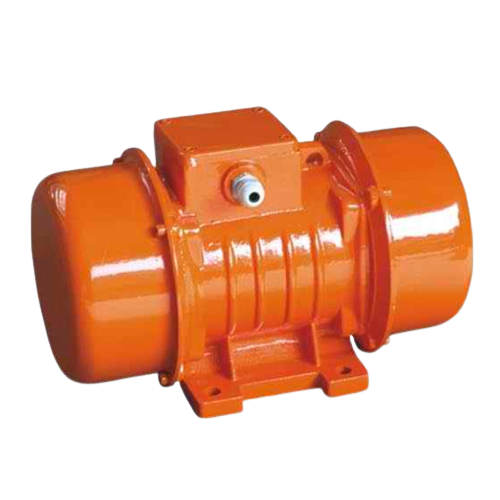
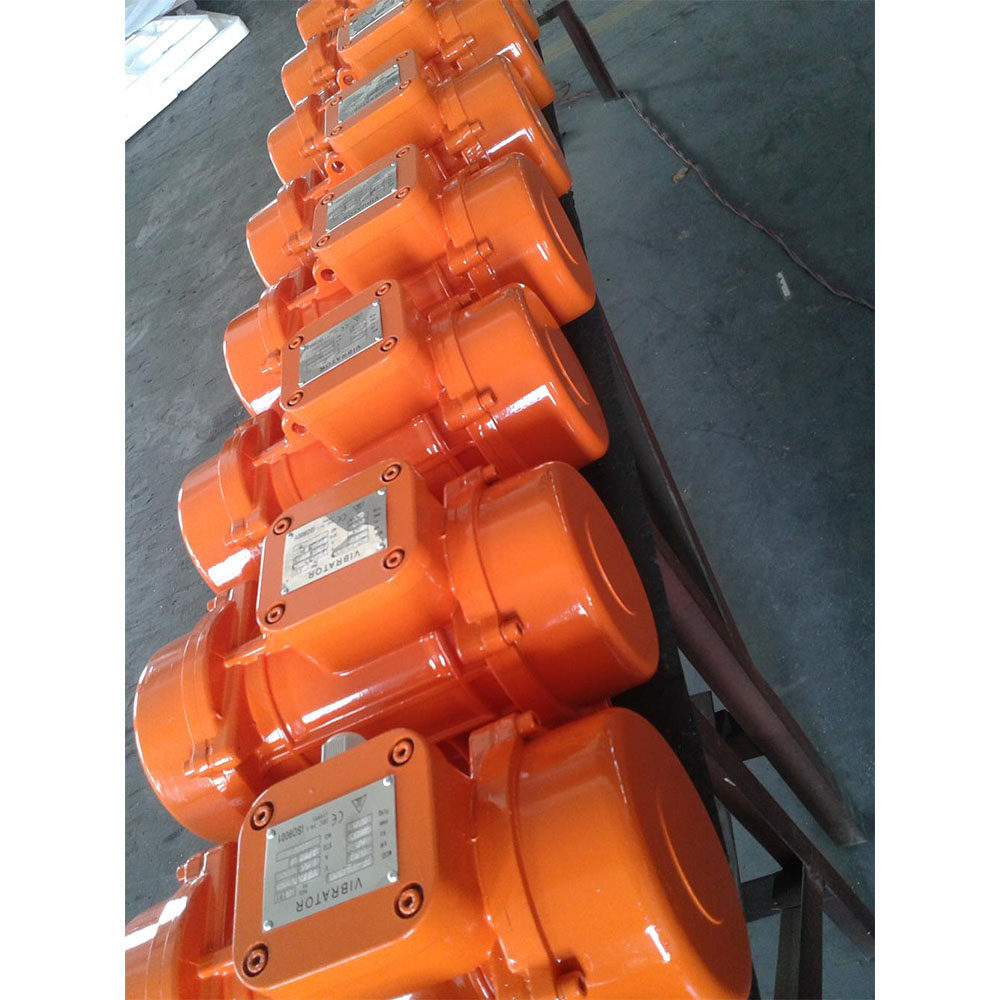
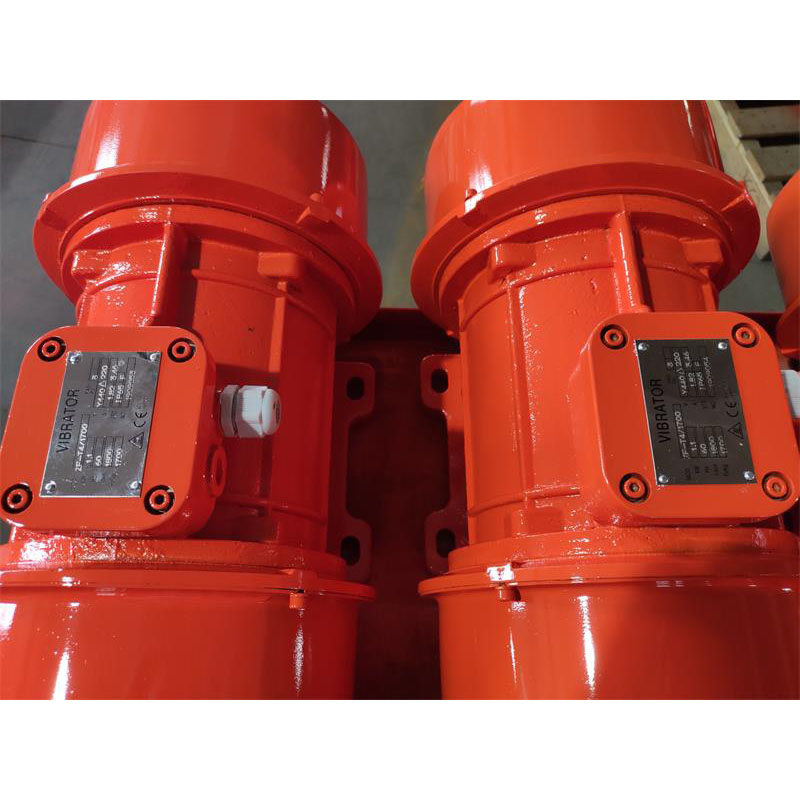
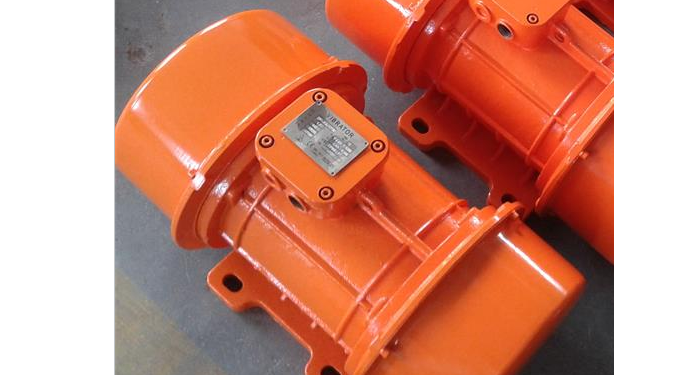
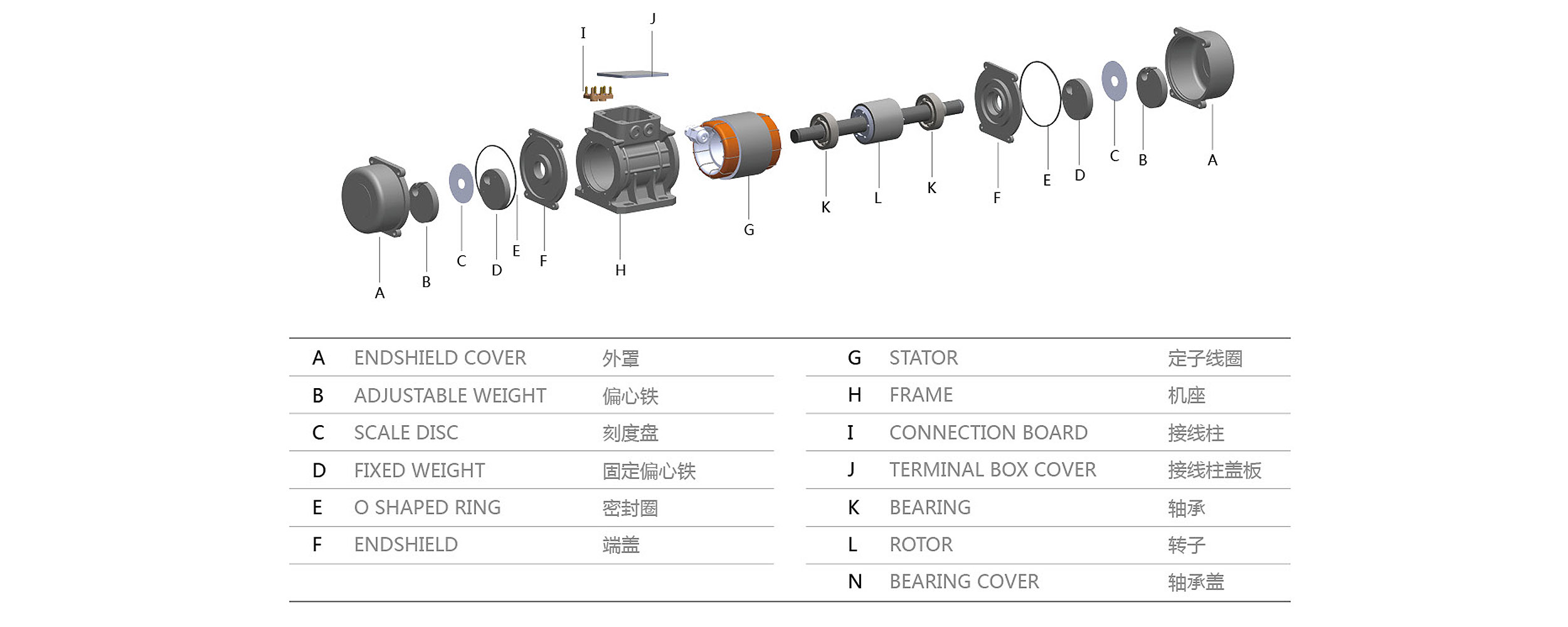
A vibration motor is an electric motor that generates vibration force through an adjustable excitation system.
It is commonly installed on silos, hoppers or chutes to prevent material blockage and ensure smooth discharge and conveying.
Working Principle of Vibration Motor
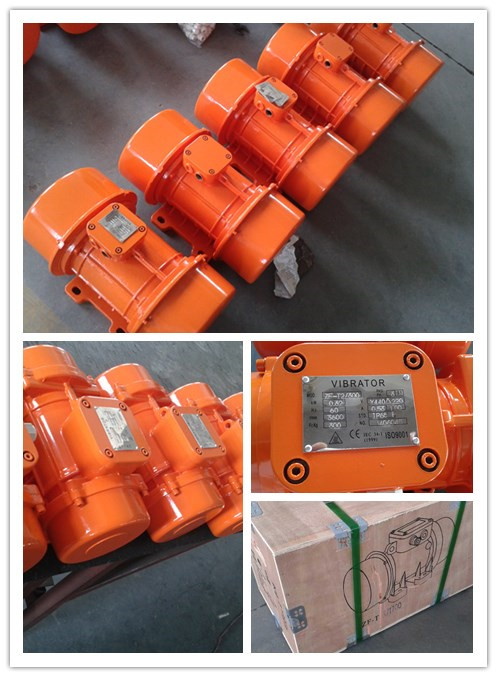
The vibration motor uses rotating eccentric weights to generate vibration force.
By adjusting the excitation force, the vibration intensity can be controlled to suit different materials and working conditions. This helps eliminate common problems such as arching, bridging and material adhesion.
Key Features of Vibration Motor
- Adjustable excitation force to meet different application needs
- Effectively prevents arching, bridging and material blockage
- Ensures continuous and stable material flow
- Compact structure with easy installation
- Reliable performance with low maintenance requirements
- Suitable for long-term industrial operation
Key Characteristics of Our Vibration Motor
Our vibration motor is manufactured using advanced technology, ensuring reliable performance and long service life in industrial applications.
- Designed with adjustable vibration force to meet different working requirements
- Equipped with F-class insulation and IP65 protection rating, suitable for demanding environments
- Uses high-quality NSK bearings for stable operation and extended durability
- Aluminium housing is applied for smaller models to achieve lightweight structure
- Ductile cast iron housing is used for larger models to ensure higher strength and robustness
The vibration motor is widely used as a vibration source in:
- Industrial machinery
- Engineering equipment
- Mining machinery
- Bulk material handling systems
This ensures reliable and efficient operation in various industrial environments.
Applications of Vibration Motor
Vibration motors are widely used in industries requiring reliable material flow control, including:
- Power plants
- Coal handling systems
- Building materials industry
- Mining and metallurgy
- Chemical industry
- Foundry and casting
- Food processing
- Transportation and bulk material handling
They are especially suitable for powder materials, bulk solids and silo discharge systems.
Installation and Application Areas
Vibration motors are typically installed on:
- Silo walls
- Hopper walls
- Chutes and feeders
They are used as silo wall vibrators to ensure smooth material flow and prevent clogging.
ZF-T Series Vibrator Motors Technical Parameters
| Model | Vibrating Force | Max.Input Power(W) | Max.Current(A) | Weight(Kg) | Pedestal Model | Packing Size(mm) | |
| Kn | Kg.f | ||||||
| ZF-T2/60 | 0.7 | 71 | 80 | 0.15 | 4.0/5.8 | 00AL/01AL | 280X170X200 |
| ZF-T2/100 | 1.0 | 102 | 160 | 0.30 | 5.5/6.0 | 00AL/01AL | 280X170X200 |
| ZF-T2/200 | 1.96 | 200 | 170 | 0.32 | 7 | 01AL | 280X170X200 |
| ZF-T2/300 | 2.98 | 300 | 320 | 0.58 | 16.5/11 | 02/02AL | 325X220X230 |
| ZF-T2/500 | 4.95 | 505 | 440 | 0.80 | 20 | 03 | 395X240X250 |
| ZF-T2/800 | 7.94 | 810 | 550 | 1.00 | 25.2 | 03 | 395X240X250 |
| ZF-T2/1300 | 12.8 | 1306 | 1100 | 2.00 | 39 | 04 | 490X270X280 |
| ZF-T2/1500 | 14.9 | 1520 | 1200 | 2.15 | 40 | 04 | 490X270X280 |
| ZF-T2/1800 | 18.0 | 1837 | 1700 | 3.20 | 45 | 04 | 490X270X280 |
| ZF-T2/2300 | 22.6 | 2310 | 2200 | 4.00 | 48.5 | 04 | 490X270X280 |
| ZF-T2/3200 | 32 | 3250 | 3500 | 6.50 | 98 | 05 | 590X270X300 |
| ZF-T2/4000 | 40 | 4030 | 4000 | 7.00 | 100 | 05 | 590X270X300 |
| ZF-T2/5000 | 50 | 5070 | 5000 | 7.80 | 112 | 05 | 590X270X300 |
| ZF-T4/40 | 0.44 | 45 | 40 | 0.10 | 6/6.8 | 00AL/01AL | 280X170X200 |
| ZF-T4/80 | 0.78 | 80 | 94 | 0.24 | 7.1 | 01AL | 280X170X200 |
| ZF-T4/200 | 1.96 | 200 | 200 | 0.40 | 16.8/12 | 02/02AL | 325X220X230 |
| ZF-T4/400 | 4.0 | 410 | 360 | 0.65 | 22 | 03 | 395X240X250 |
| ZF-T4/500 | 5.0 | 510 | 390 | 0.70 | 26 | 03 | 395X240X250 |
| ZF-T4/700 | 6.89 | 700 | 550 | 0.98 | 28 | 03 | 395X240X250 |
| ZF-T4/1400 | 13.8 | 1410 | 850 | 1.50 | 42 | 04 | 490X270X280 |
| ZF-T4/1700 | 16.8 | 1720 | 1100 | 2.00 | 46 | 04 | 490X270X280 |
| ZF-T4/2400 | 23.6 | 2410 | 1700 | 3.00 | 50 | 04 | 490X270X280 |
| ZF-T4/3000 | 30.0 | 3060 | 2200 | 4.00 | 102 | 05 | 590X270X300 |
| ZF-T4/3800 | 38.0 | 3830 | 2500 | 5.00 | 118 | 05 | 590X270X300 |
| ZF-T2/60D | 0.61 | 62 | 86 | 0.43 | 5.5/6 | 00AL/01AL | 280X170X200 |
| ZF-T2/100D | 0.98 | 100 | 120 | 0.58 | 5.8/6.4 | 00AL/01AL | 280X170X200 |
| ZF-T2/200D | 1.96 | 200 | 150 | 0.71 | 8.5 | 01AL | 280X170X200 |
| ZF-T2/300D | 3.05 | 311 | 253 | 1.20 | 17.5/11.5 | 02/02AL | 325X220X230 |
| ZF-T2/500D | 4.9 | 500 | 475 | 2.25 | 21 | 03 | 395X240X250 |
| ZF-T2/800D | 7.84 | 800 | 686 | 3.25 | 26 | 03 | 395X240X250 |
| ZF-TV4/300D | 2.98 | 300 | 280 | 1.30 | 9.8 | V30 | 280X170X200 |
|
ZF-TDC1500 |
1.5 | 1530 | DC12V | 100.00 | 17 | DC40 | 360X310X310 |
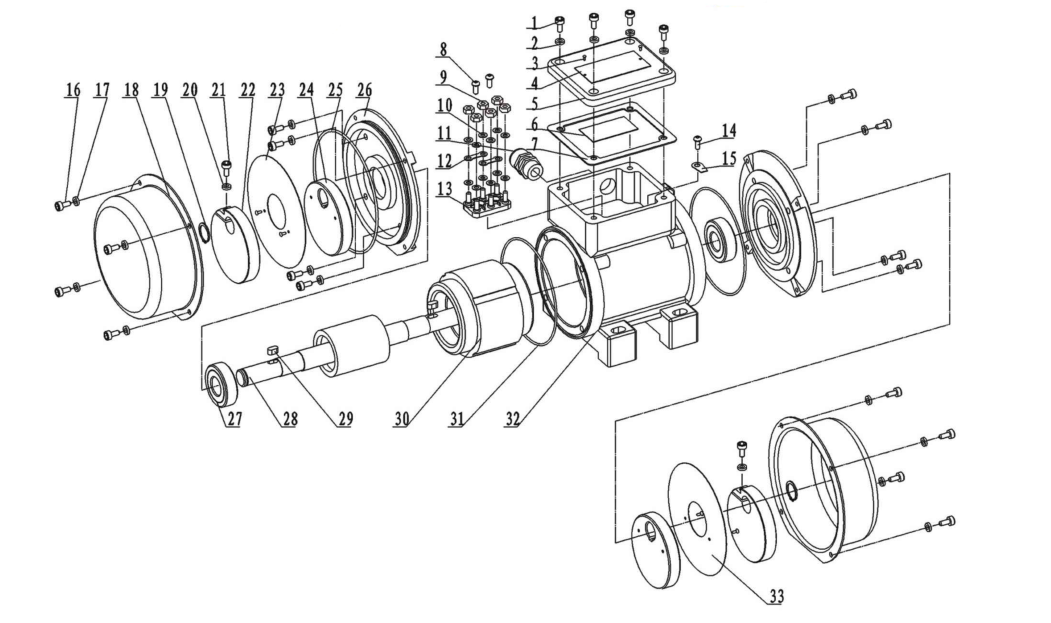
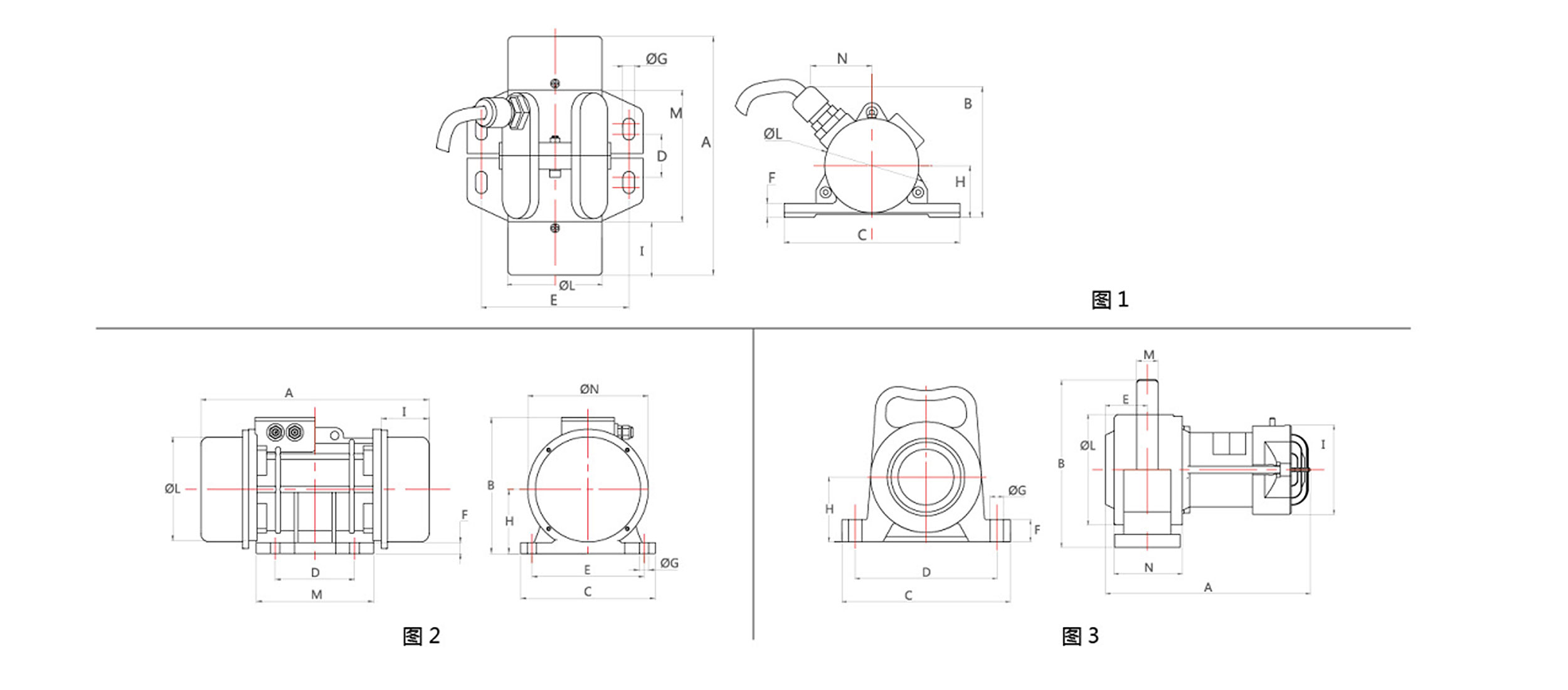
Installation Drawing of vibrator motor
Technical Specifications of Vibration Motor
ZF-T Series Vibration Motor Dimensions and Installation Details
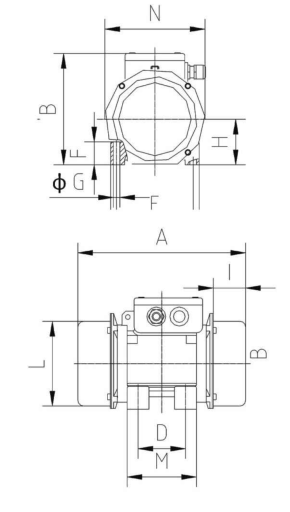
| Pedestal Model |
A | B | C | D | E | ΦG | F | H | I | L | M | N |
| 00AL | 180 | 115 | 110 | 52-60 | 90 | 9 | 9 | 50 | 40 | 103 | 80 | 85 |
| 01AL | 232 | 147 | 130 | 62-74 | 106 | 9 | 30 | 62 | 46 | 120 | 98 | 137 |
| 02AL | 260 | 175 | 155 | 90 | 125 | 13 | 20 | 75 | 63 | 140 | 145 | 158 |
| 02ALL | 260 | 175 | 155 | 131 | 120 | 13 | 20 | 75 | 63 | 140 | 145 | 158 |
| 02 | 288 | 200 | 168 | 105 | 140 | 13 | 15 | 90 | 52 | 163 | 140 | 185 |
| 03 | 294/358 | 210 | 198 | 120 | 170 | 15 | 17 | 100 | 57 | 183 | 150 | 208 |
| 03AL | 294/358 | 210 | 198 | 146 | 180 | 15 | 17 | 100 | 57 | 183 | 150 | 208 |
| 04 | 344/424 | 240 | 263 | 140 | 190 | 15 | 30 | 137 | 82 | 213 | 200 | 238 |
| 05 | 468/582 | 293 | 290 | 155 | 225 | 20 | 38 | 160 | 115 | 235 | 250 | 267 |
Advantages in Material Flow Control
The vibration motor provides a simple and effective solution to eliminate material blockage.
It helps:
- Improve discharge efficiency
- Reduce downtime caused by blockage
- Prevent material accumulation
- Ensure stable production process
How to Select the Right Vibration Motor
Selecting the appropriate vibration motor is essential to ensure smooth material flow and stable equipment operation. The selection mainly depends on the following factors:
1. Material Characteristics
Different materials require different vibration intensity:
- Fine powder materials → require stable and adjustable vibration force
- Bulk materials → require higher excitation force
- Sticky or cohesive materials → require stronger vibration to prevent arching and bridging
2. Application Position
The installation position determines the required motor type and power:
- Silo or hopper wall → standard vibration motor for material discharge
- Chute or feeder → vibration motor with adjustable force
- Screening or feeding equipment → vibration motor matched with system design
3. Required Excitation Force
The excitation force should be selected based on material weight and equipment size:
- Small equipment / light materials → low power vibration motor
- Medium systems → standard models
- Large silos / heavy materials → high excitation force models
4. Working Environment
Consider environmental conditions for better performance and durability:
- Outdoor or dusty environment → IP65 protection recommended
- Harsh industrial conditions → high-quality bearings (e.g. NSK)
- Underground or special environments → anti-static or customized solutions
Final Recommendation
If you are not sure which vibration motor is suitable for your application, feel free to send us your material type, silo size and working conditions.
We will recommend the most suitable model to ensure efficient and reliable operation.
Typical information we need:
- Material type
- Silo or hopper size
- Installation position
- Working environment
- Required vibration strength (if known)
Related Products for Material Flow and Level Control
You may also be interested in:
Custom Solution Based on Your Application
Different materials and working conditions require different vibration force and motor configurations.
We can recommend the most suitable vibration motor based on your material type, silo size and operating conditions.
Improve Your Material Flow Efficiency Today
Looking for a reliable solution to prevent silo blockage and ensure smooth material discharge?
Send us your application details and working conditions. We will recommend the most suitable vibration motor for your system.
Contact us today for a quick recommendation and quotation.