- +86 13962947398
- sales@yutungindustrial.com
- WhatsApp 7day-24h


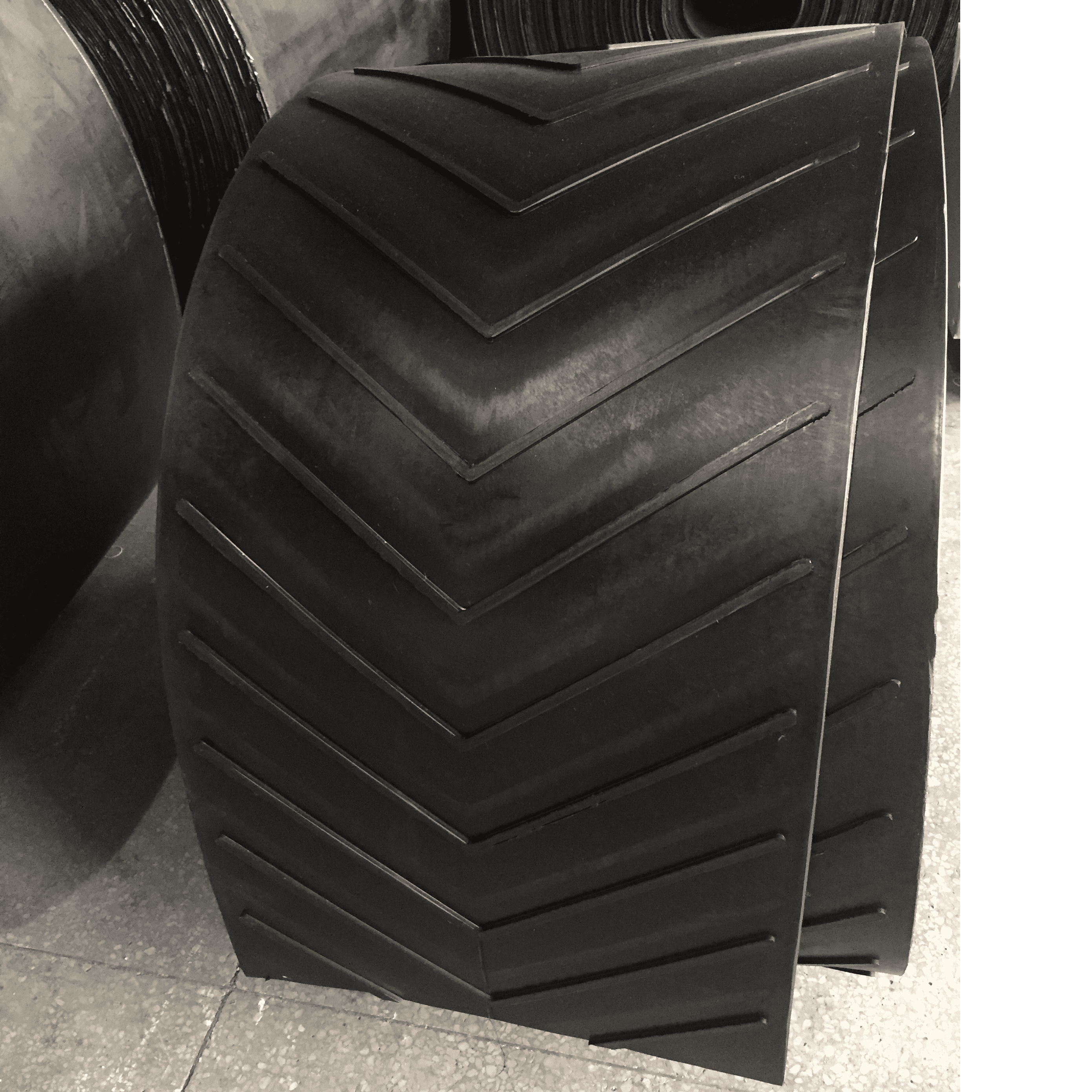
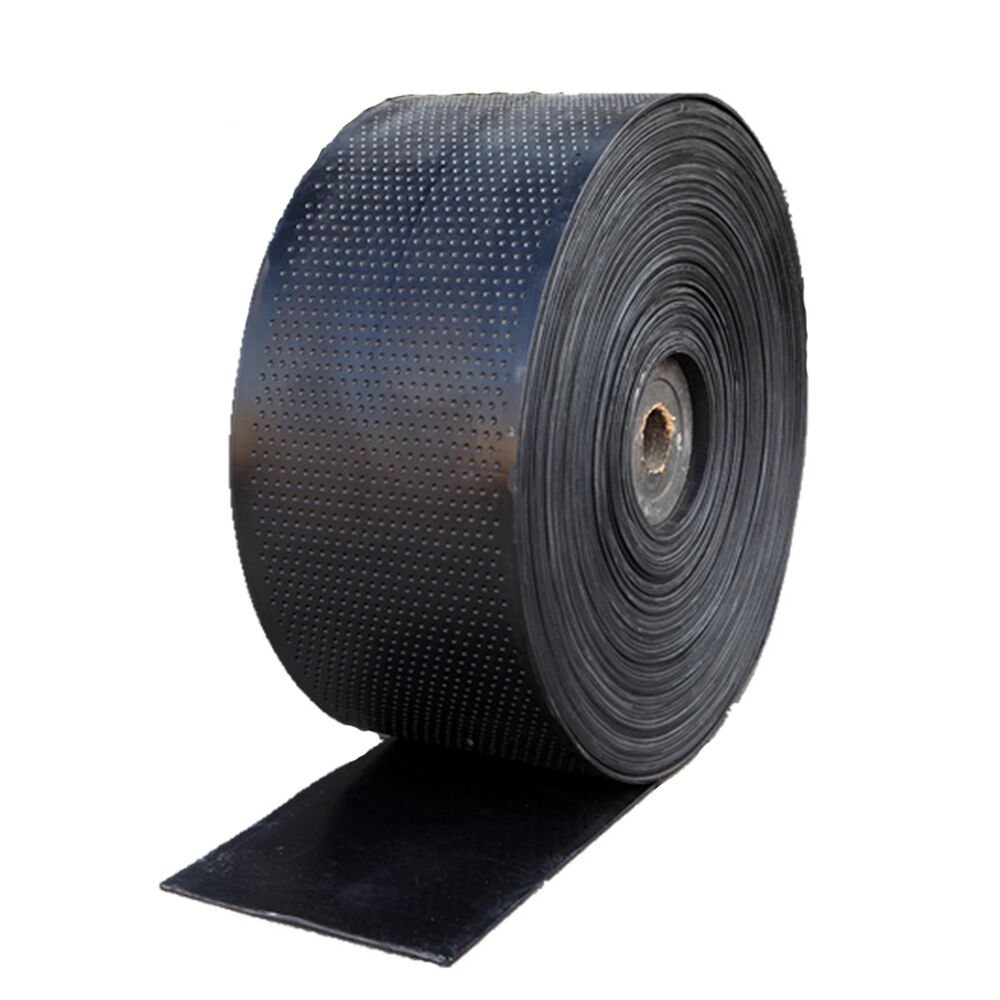


What Is Patterned Conveyor Belt
Patterned conveyor belt is a type of conveyor belt with specially designed surface patterns to prevent material slipping during conveying.
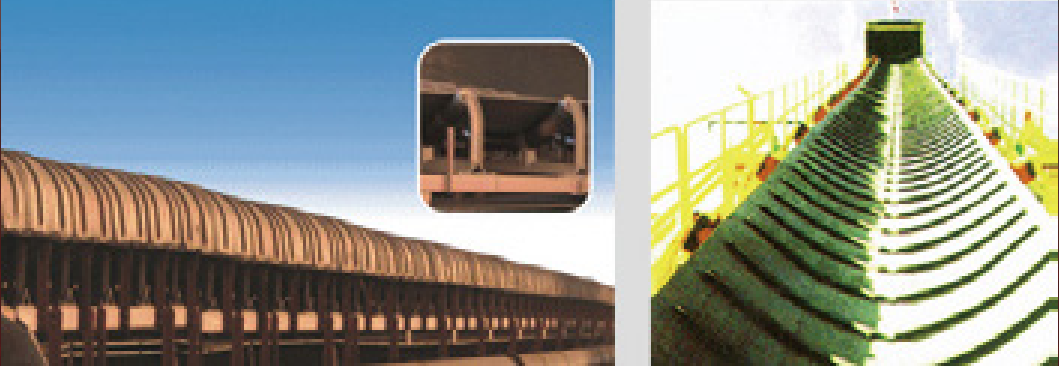
It is widely used in inclined conveying systems, where standard flat belts cannot provide sufficient grip for materials.
Key Features of Patterned Conveyor Belt
- The carcass can be made from Polyester (EP), Nylon (NN), Cotton (CC) or Polyester-Cotton (TC) depending on application requirements
- Surface patterns increase friction between the belt and materials, preventing slippage
- Suitable for conveying materials at inclined angles
- Good flexibility and stable operation in different conveyor systems
- Durable construction with long service life
- Available in various pattern shapes and heights
Pattern Types Available
Different pattern designs are available to suit various conveying angles, material types and working conditions:
- Dot pattern – suitable for light materials and gentle inclines, providing basic anti-slip performance and smooth conveying
- V pattern – commonly used for general inclined conveying, offering stable grip and consistent material flow
- Cross pattern – improves stability for mixed or irregular materials, reducing shifting and enhancing conveying control
- Chevron pattern (Continuous) – ideal for steeper conveying angles, providing strong grip to effectively prevent material slipping
- Open chevron pattern (Separated) – suitable for conditions where material build-up needs to be minimized, while maintaining reliable anti-slip performance
- Multi-V chevron pattern (Convex type) – features multiple rows of V-shaped cleats, providing enhanced grip and stability for demanding and high-angle conveying
- Crescent pattern – suitable for specific bulk handling conditions, especially for materials requiring controlled and stable movement
- Multi-crescent pattern (Dense type) – densely arranged arc-shaped patterns offer uniform contact, ideal for light to medium materials requiring smooth and stable conveying
Different pattern types can be selected based on material characteristics, conveying angle and working environment to ensure optimal conveying performance and efficiency.
Dot Pattern Conveyor Belt-
– suitable for light materials and gentle inclines
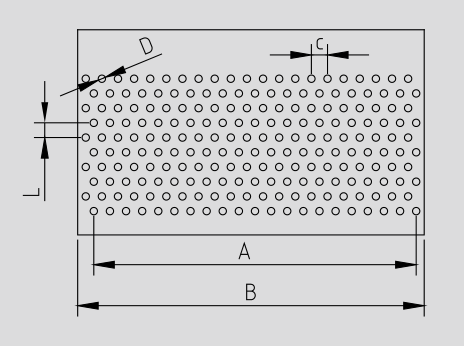
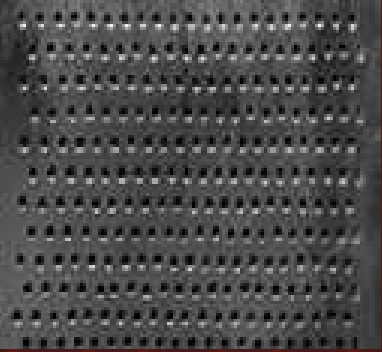
| BeltWidth(mm) | A(mm) | L(mm) | C(mm) | D(mm) | Pattern Depth(mm) | Width Range B(mm) |
| 500-650 | 430 | 10 | 20 | 10 | 3 | 500-650 |
Chevron pattern (Continuous) Conveyor Belt
It is also called Grooved type – ideal for steeper conveying angles, providing strong grip to prevent material slipping
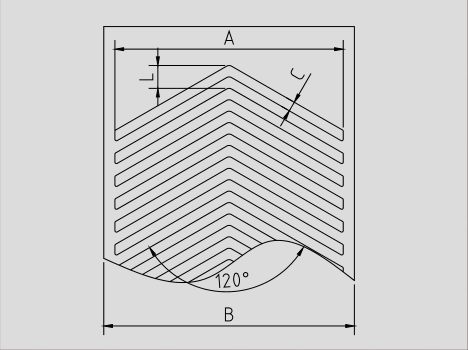
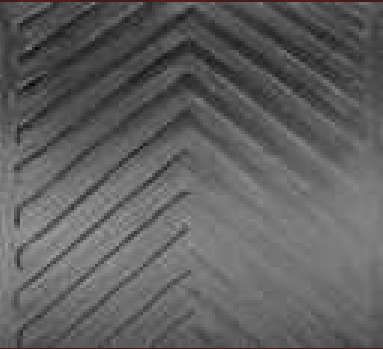
| Belt Width(mm) | A(mm) | L(mm) | C(mm) | D(mm) | Pattern Depth (mm) | Width Range B(mm) |
| 500 | 460 | 40 | 20 | 2.5 | 120 | 500-900 |
| 650 | 580 | 40 | 20 | 2.5 | 120 | 650-900 |
| 800 | 750 | 55 | 25 | 2.5 | 120 | 800-900 |
Cross Pattern Conveyor Belt– improves stability for mixed materials
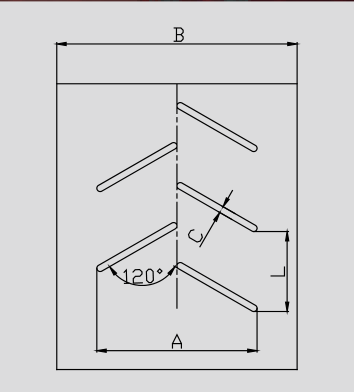
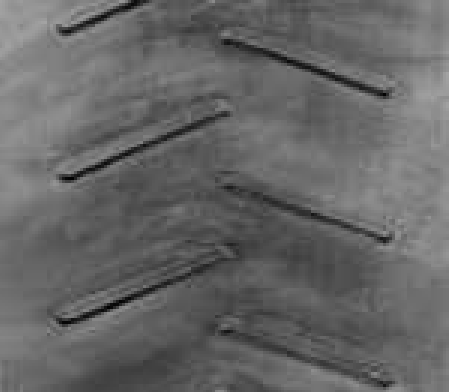
| Belt Width(mm) | A(mm) | L(mm) | C(mm) | D(mm) | Pattern Depth (mm) | Width Range B(mm) |
| 500 | 450 | 300 | 25 | 6 | 120 | 500-900 |
| 650 | 600 | 300 | 25 | 6 | 120 | 650-900 |
| 650 | 600 | 300 | 25 | 8 | 120 | 650-900 |
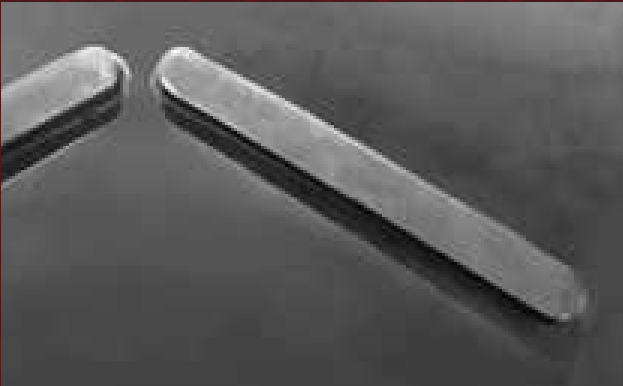
Open Chevron Pattern Conveyor Belt
The open chevron pattern features separated V-shaped cleats arranged with gaps between them.
Compared with continuous chevron patterns, it provides better flexibility and is suitable for applications where material build-up needs to be reduced while maintaining good anti-slip performance.
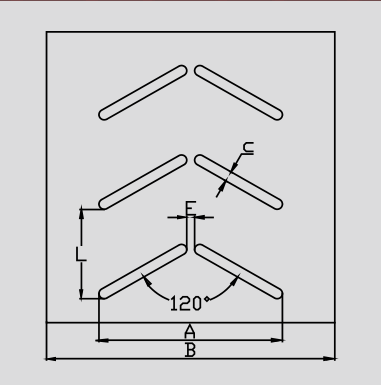
| Belt Width(mm) | A(mm) | L(mm) | E(mm) | C(mm) | Pattern Depth (mm) | Pattern Angle° | Width Range B(mm) |
| 800 | 700 | 300 | 30 | 40 | 18 | 120 | 750-1000 |
| 1000 | 900 | 300 | 30 | 40 | 18 | 120 | 950-1200 |
Multi-V Chevron Pattern Conveyor Belt
The multi-V chevron pattern features multiple rows of V-shaped cleats arranged in a dense and convex structure.
Compared with standard chevron patterns, it provides stronger grip and improved material stability, making it suitable for steeper conveying angles and more demanding working conditions.
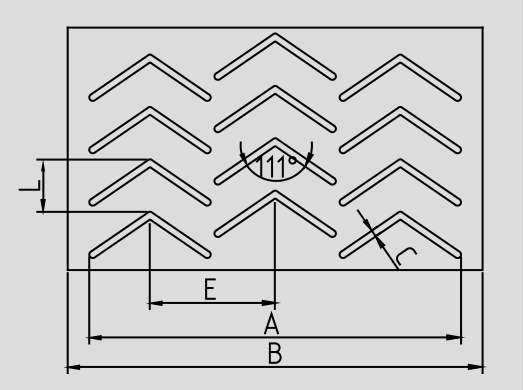
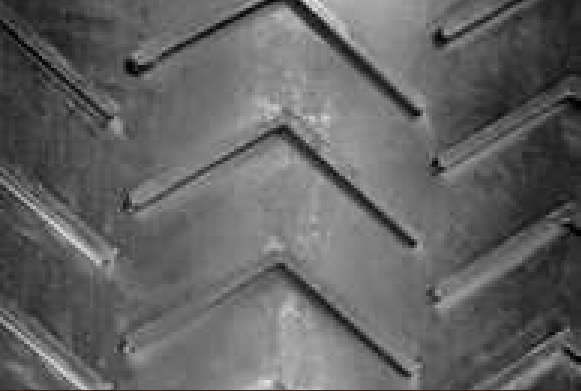
| Belt Width(mm) | A(mm) | L(mm) | E(mm) | C(mm) | Pattern Depth (mm) | Pattern Angle° | Width Range B(mm) |
| 750 | 530 | 75 | 180 | 8 | 6 | 110 | 550-900 |
Multi-Crescent Pattern Conveyor Belt
The multi-crescent pattern features densely arranged arc-shaped cleats across the belt surface, providing uniform contact and stable conveying performance.
Compared with standard crescent patterns, it offers better material control and is suitable for light to medium bulk materials, especially in applications requiring smooth and stable conveying.
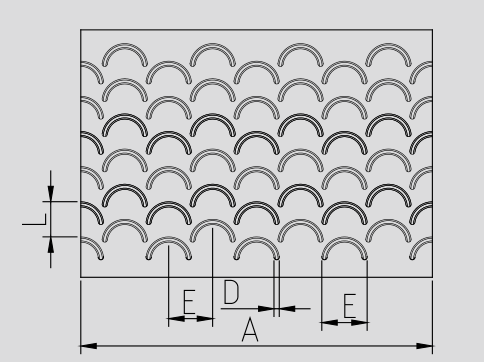
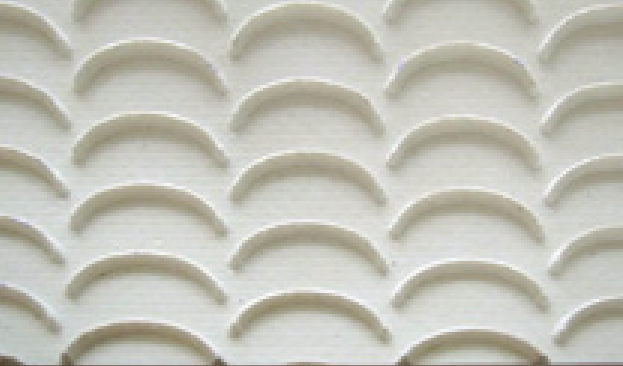
| A(mm) | L(mm) | D(mm) | E(mm) | Pattern Depth (mm) | Width Range B(mm) |
| Customized | 20 | 3 | 26 | 2 | 550-900 |
| Note: White colour, cotton carcass with PVC top cover, and other carcass materials are available upon request. Cut to size available to the exact width and length required. | |||||
How to Select the Right Conveyor Belt Pattern
Choosing the correct pattern type is essential to ensure stable conveying performance and prevent material slipping. The selection mainly depends on the following three factors:
Conveying Angle
The steeper the incline, the stronger grip is required:
- 0–10° → Flat belt or dot pattern
- 10–20° → V pattern / cross pattern
- 20–30° → Chevron pattern (continuous)
- Above 30° → Multi-V chevron pattern or customized high-profile patterns
Material Characteristics
Different materials require different surface designs:
- Light & fine materials (grain, powder) → dot pattern / crescent pattern
- Mixed or irregular materials → cross pattern
- High-density or heavy materials (coal, ore) → chevron or multi-V pattern
- Sticky or wet materials → open chevron pattern (reduced build-up)
Working Conditions
Consider the actual operating environment:
- High drop height / impact loading → chevron or multi-V pattern
- Need smooth conveying & stability → crescent or multi-crescent pattern
- Need to reduce material accumulation → open chevron pattern
- Long-distance conveying systems → V pattern or chevron pattern
Final Recommendation
If you are not sure which pattern is suitable for your application, feel free to send us your material type, conveying angle and working conditions.
We will recommend the most suitable conveyor belt pattern to ensure stable, efficient and reliable operation.
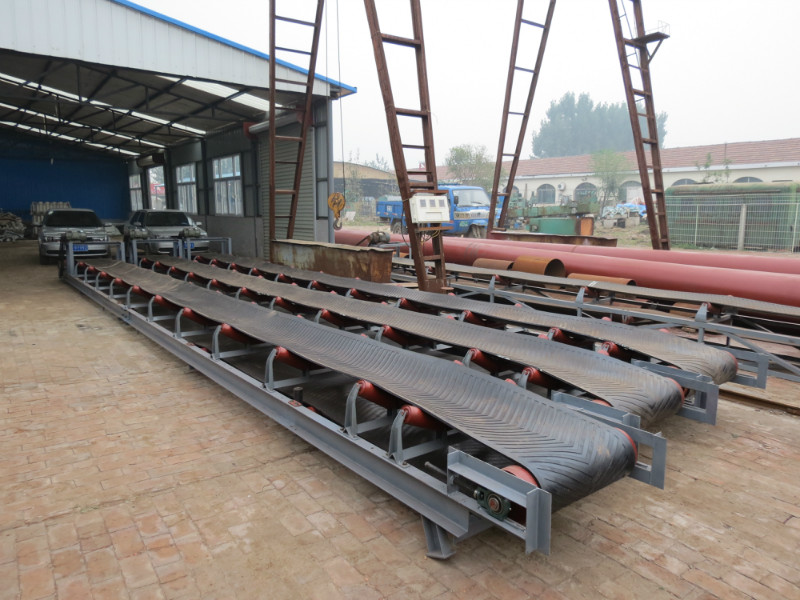
Typical information we need:
- Material type
- Conveyor angle
- Belt width and length (if available)
- Working condition (temperature, wet or dry)
Applications of Patterned Conveyor Belt
Patterned conveyor belts are widely used for inclined conveying of bulk materials where slipping may occur.
Typical applications include:
- Grain handling
- Coal conveying
- Cement industry
- Sand and aggregates
- Bulk material handling systems
They are suitable for conveying small to medium-sized particles as well as loose bulk materials.
Advantages for Inclined Conveying
The patterned surface provides additional grip, allowing materials to be transported at higher angles compared to flat conveyor belts.
This reduces material spillage, improves conveying efficiency, and ensures more stable operation in inclined systems.
Technical Standards and Compliance
The patterned conveyor belt can be manufactured in accordance with international standards, including:
- CEMA (Conveyor Equipment Manufacturers Association)
- RMA (Rubber Manufacturers Association)
- AS (Australian Standards)
- GB (China National Standards)
This ensures reliable quality and compatibility with different conveyor systems worldwide.
Custom Conveyor Belt Selection Based on Your Application
If you are not sure which pattern type or belt structure is suitable for your system, feel free to share your application details with us.
Based on your conveying angle, material type and working conditions, we can recommend the most suitable patterned conveyor belt solution.
Custom Conveyor Belt Solution for Your Project
Looking for the right patterned conveyor belt for inclined conveying?
Send us your material details, conveying angle and working conditions. We will recommend the most suitable pattern type and belt specification for your application.
FAQ – Patterned Conveyor Belt
What is a patterned conveyor belt?
A patterned conveyor belt is a conveyor belt with raised surface patterns designed to increase friction between the belt and conveyed materials. The patterned surface helps prevent material slipping during inclined conveying.
What are patterned conveyor belts used for?
Patterned conveyor belts are commonly used for transporting bulk materials on inclined conveyors. They are suitable for grain, sand, fertilizer, coal, bags, packages, and other materials that require improved grip during transport.
What are the advantages of a patterned conveyor belt?
Patterned conveyor belts provide better material stability, improved anti-slip performance, increased conveying angle capability, and reduced material rollback on inclined conveyors.
What types of surface patterns are available on conveyor belts?
Patterned conveyor belts are available with various surface designs such as chevron, herringbone, diamond, crescent, and straight rib patterns. Different patterns are selected based on material type and conveying angle.
What industries use patterned conveyor belts?
Patterned conveyor belts are widely used in agriculture, mining, construction, fertilizer production, ports, recycling, and industrial bulk material handling systems.
How do I choose the correct patterned conveyor belt?
Selecting the correct patterned conveyor belt depends on conveyor angle, material type, particle size, conveying capacity, belt width, and working environment.
What is the difference between a patterned conveyor belt and a flat conveyor belt?
A flat conveyor belt has a smooth surface and is generally used for horizontal conveying, while a patterned conveyor belt provides additional grip for inclined conveying and unstable materials.
Contact us today to get a quick recommendation and quotation.


